Quick verdict
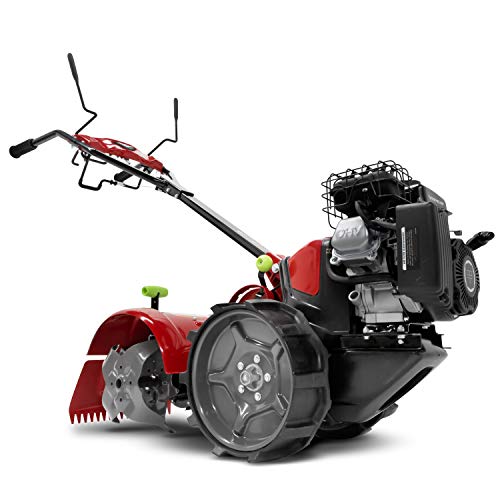
The Earthquake 20015 Versa 2 remains the best overall front tine tiller because its tool-less width adjustment converts it between an 11 and 21 inch tilling path, covering both seedbed prep and narrower cultivating work with one machine. Buyers who want more raw engine power at a similar width should look at the 212cc option, while the BILT HARD offers the widest working range of any pick here.

Earthquake 20015 Versa 2-in-1 Tiller Cultivator
Tool-less removal of the side shields and outer tines lets this machine convert from a full 21 inch tiller down to an 11 inch cultivator without any tools, the widest adjustment range in this comparison, and an 11 inch depth rating is deeper than several competitors here. A 99cc Viper engine gives it enough power for routine seedbed prep without the weight of a full rear tine machine.
Front tine tillers compared on engine size, adjustable tilling width, and 2 in 1 cultivator conversion for gardeners who till and cultivate the same beds.
The picks at a glance
| Tool | Best for | Score | |
|---|---|---|---|
| Earthquake 20015 Versa 2-in-1 Tiller Cultivator | Best Overall | Check price | |
| TAZZ 35310 2-in-1 Front Tine Tiller/Cultivator | Best Value | Check price | |
| 212cc Gas Powered Garden Tiller Cultivator | Best Premium | Check price | |
| BILT HARD 24'' 99cc Gas Tiller Cultivator | Best Budget | Check price | |
| VEVOR Tiller Cultivator Gas Powered | Also Great | Check price |
The picks, reviewed
Earthquake 20015 Versa 2-in-1 Tiller Cultivator
Tool-less removal of the side shields and outer tines lets this machine convert from a full 21 inch tiller down to an 11 inch cultivator without any tools, the widest adjustment range in this comparison, and an 11 inch depth rating is deeper than several competitors here. A 99cc Viper engine gives it enough power for routine seedbed prep without the weight of a full rear tine machine.
Reasons to buy
- 99cc 4 cycle Viper engine
- Tool-less width adjustment, 11 to 21 inches
- Tilling depth up to 11 inches
- Adjustable handlebar height
Reasons to avoid
- A 99cc engine, while adequate for most home gardens, is smaller than the 212cc options here for genuinely tough ground.
- The widest 21 inch setting needs more turning room than a fixed narrower tiller.

TAZZ 35310 2-in-1 Front Tine Tiller/Cultivator
A bronze gear transmission and forged steel tines give it the same tool-less 11 to 21 inch conversion range as the Earthquake at a smaller 79cc engine size, which the manufacturer states is fuel efficient while still delivering enough power for typical soil conditions. Its low center of gravity is specifically marketed for stability and easy turning at the end of a row.
Reasons to buy
- 79cc 4 cycle Viper engine
- Bronze gear transmission
- Tool-less conversion, 11 to 21 inches
- Low center of gravity for stability
- 3 year limited warranty
Reasons to avoid
- A smaller 79cc engine than the 99cc or 212cc picks here means less reserve power on denser soil.
- Best suited to soil that is already reasonably workable rather than compacted ground.

212cc Gas Powered Garden Tiller Cultivator
At 212cc this is the largest engine among the front tine picks here, and the listing specifically markets it for hard soil and compacted ground alongside routine garden prep, a step up in raw power from the 79 to 99cc competitors. Forward and reverse transmission adds control when maneuvering through raised beds or tight working areas.
Reasons to buy
- 212cc 4 stroke gas engine
- Forward and reverse transmission
- 21 inch wide tilling path
- Adjustable ergonomic handle
Reasons to avoid
- Without a stated tool-less width conversion like the Earthquake or TAZZ, it is less flexible for switching between tilling and cultivating widths.
- A larger 212cc engine adds weight compared with the 79 to 99cc alternatives here.

BILT HARD 24'' 99cc Gas Tiller Cultivator
At up to 24 inches wide, this is the widest adjustable range in this comparison, and its 3.94 to 11.8 inch depth range covers both light weeding and deep soil preparation from a single machine. A dual action safety system that halts tine rotation on clutch release adds a layer of control an occasional user will appreciate.
Reasons to buy
- 99cc 3HP EPA certified engine
- Adjustable width, 17 to 24 inches
- Depth range 3.94 to 11.8 inches
- Dual action safety system
- 3 height handle settings
Reasons to avoid
- The widest 24 inch setting requires meaningfully more turning room than the 21 inch competitors.
- A newer brand with less of a track record than Earthquake or TAZZ in this category.

VEVOR Tiller Cultivator Gas Powered
At 43cc it is the smallest and lightest engine in this comparison, sized for a gardener who wants a genuine gas front tine tiller without the size and weight of the 99cc or 212cc options above. A protective shield above the tines is specifically built to stop soil, rocks, and debris from splashing back at the operator.
Reasons to buy
- 43cc 2 stroke EPA certified engine
- 4 steel adjustable tines
- Enlarged heat dissipation holes
- Stand up ergonomic operation
Reasons to avoid
- A 3.9 inch depth range is the shallowest here, limiting it to light cultivating rather than deeper tilling.
- A 2 stroke engine needs oil mixed into the gas, an extra step the 4 stroke picks here do not require.
Front tine tillers sit between light battery cultivators and heavy rear tine machines, which makes them a versatile middle ground for a home gardener who works the same beds year after year but occasionally needs to break tougher ground. We built this guide from the manufacturer specifications and feature listings for each model, then ranked them for the jobs these machines do best: preparing seedbeds, working established garden plots, and switching between tilling and cultivating without owning two separate tools.
Engine size, tilling width, and drive design are the specs that matter most here. Several front tine tillers in this category use a tool-less system to remove outer tines and side shields, converting the same machine from a wide seedbed tiller into a narrower cultivator for working between rows, and we treated that conversion range as a genuine differentiator rather than a marketing footnote. We also compared engines from 43cc up to 212cc, since a front tine tiller’s power needs vary more than its category name suggests, from light seasonal cultivating up to breaking moderately compacted ground.
We have not personally tilled a plot with each of these machines. What we honestly offer is a careful comparison of documented capabilities, such as engine displacement, adjustable width, and transmission type, drawn from each product’s own published feature list rather than invented figures. Where a listing leans on promotional language without a specific number behind it, we say so rather than filling the gap with assumptions.
If your garden is small enough that a full walk behind machine feels like overkill, our small garden and mini tiller guides cover lighter, more maneuverable options. If you are tilling ground that has never been worked before, a rear tine tiller with counter rotating tines will generally outperform a front tine machine on that specific job.
How we research
What to look for
Tool-less width conversion adds real versatility
A front tine tiller that removes outer tines without tools, like the Earthquake or TAZZ, lets you till a wide seedbed early in the season and narrow the machine for cultivating between established rows later, avoiding the need for two separate tools.
Engine size should match your soil, not just your budget
This category spans 43cc up to 212cc engines. Lighter engines suit soil that is already reasonably workable, while a 200cc plus engine, like the premium pick here, is built for hard or compacted ground alongside routine prep.
Depth range matters as much as width
A tiller with a wide depth range, from under 4 inches for light weeding up to 11 or more inches for deep preparation, covers more of a season's tasks with one machine than a tiller optimized for only one depth.
Consider turning room before choosing the widest setting
A 24 inch adjustable tiller offers flexibility, but its widest setting needs meaningfully more clearance to turn at row ends than an 18 to 21 inch machine. Match the maximum width to your actual bed layout, not just the spec sheet.
Our verdict
The Earthquake 20015 Versa 2 remains the best overall front tine tiller because its tool-less width adjustment converts it between an 11 and 21 inch tilling path, covering both seedbed prep and narrower cultivating work with one machine. Buyers who want more raw engine power at a similar width should look at the 212cc option, while the BILT HARD offers the widest working range of any pick here.
FAQs
A front tine tiller has its tines mounted ahead of the wheels and drive system, making it lighter and more maneuverable but generally less powerful than a rear tine machine. Front tine tillers suit routine garden prep and cultivating on established beds, while rear tine tillers are built for tougher, less frequently worked or never tilled ground.
Several models in this comparison, including the Earthquake and TAZZ, specifically convert between a wide tilling width and a narrower cultivating width by removing outer tines and side shields without tools. That 2 in 1 design lets one machine handle both seedbed prep and between-row maintenance through the season.
For routine cultivating in already workable soil, a 43 to 79cc engine is generally sufficient, while compacted or harder ground benefits from the 99 to 212cc engines featured in the higher ranked picks here. Match engine size to how resistant your specific soil is, not just to the biggest number available.
An adjustable range in the 11 to 21 inch class, like most picks here, covers both a full seedbed pass and narrower cultivating work between rows. Wider settings, up to 24 inches on the BILT HARD, cover more ground per pass but need more turning room at the ends of rows.
A higher powered front tine tiller, such as the 212cc pick in this guide, can handle moderately compacted ground, but a rear tine tiller with counter rotating tines will generally outperform any front tine machine on genuinely hard, rocky, or never tilled soil. Check our hard soil and breaking new ground guides if that describes your project.