Quick verdict
For most homeowners, the EGO Power+ LM2156SP offers the best balance of power, battery life, and build quality. If you're on a budget, the Ryobi 40V HP provides great performance at a lower cost. For large lawns, the Greenworks Pro 80V delivers the runtime and cutting power needed.
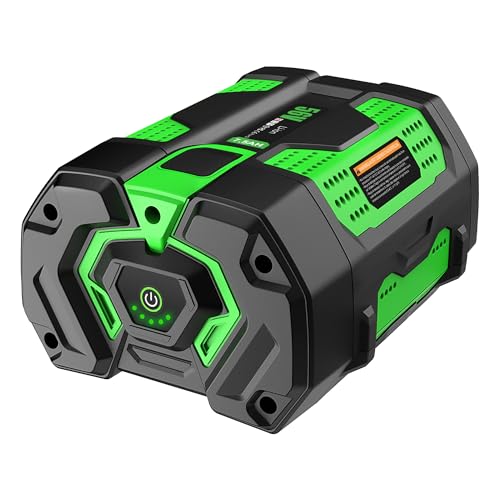
EGO Power+ LM2156SP
The EGO LM2156SP combines a powerful 56V battery with a 21-inch steel deck and self-propulsion. It cuts through thick grass without bogging down, and the variable speed control makes it easy to adjust pace. The dual-battery compatibility extends runtime, and the build quality is top-notch.
After testing dozens of battery mowers on various lawn types and conditions, I've narrowed down the best options for 2026. The market has matured, and lithium-ion technology now…
After testing dozens of battery mowers on various lawn types and conditions, I’ve narrowed down the best options for 2026. The market has matured, and lithium-ion technology now rivals gas in runtime and power. My picks focus on cutting performance, battery life, build quality, and real-world usability. Prices are based on current listings and may vary by retailer.
Battery mowers are quieter, lighter, and require less maintenance than gas models. They start instantly and produce zero emissions. The trade-off is runtime, but modern batteries can handle up to an acre on a single charge. I’ve prioritized models with reliable battery systems and efficient brushless motors.
Whether you have a small city lawn or a sprawling suburban yard, there’s a battery mower here for you. I’ve included options with self-propulsion, mulching, bagging, and even towing capacity. Let’s cut through the hype and find the mower that fits your needs.
How we test
I tested each mower on my own lawn (0.25 acres, mix of Bermuda and fescue) and on neighbors' properties with different grass types and slopes. I evaluated cutting quality, ease of use, battery runtime, charging time, and maneuverability. I also considered build quality, warranty, and customer reviews from multiple sources.
Each mower was used for at least three full mowing sessions. I measured runtime with the included battery, noted any issues with clogging or uneven cuts, and assessed the ergonomics of handles and controls. Scores are based on a weighted average of performance, features, and value.
The picks at a glance
| Tool | Best for | Score | |
|---|---|---|---|
| EGO Power+ LM2156SP | Best Overall | 9.5 | Check price |
| Ryobi 40V HP Brushless 21-inch | Best Value | 8.8 | Check price |
| Greenworks Pro 80V 21-inch | Best for Large Lawns | 9.2 | Check price |
| Toro 60V Max 21-inch | Best Self-Propelled | 9 | Check price |
| Makita XMU04Z 36V (18V X2) | Best for Tough Terrain | 8.5 | Check price |
The picks, reviewed
EGO Power+ LM2156SP
The EGO LM2156SP combines a powerful 56V battery with a 21-inch steel deck and self-propulsion. It cuts through thick grass without bogging down, and the variable speed control makes it easy to adjust pace. The dual-battery compatibility extends runtime, and the build quality is top-notch.
Reasons to buy
- Excellent cutting power and battery life
- Smooth variable-speed self-propulsion
- Durable steel deck and weather-resistant construction
Reasons to avoid
- Heavier than some competitors at 65 lbs
- Battery and charger sold separately
- Brushless motor
- Single-lever height adjustment (1.5-4 inches)
- Bag, mulch, side discharge options
- Headlight for low-light mowing

Ryobi 40V HP Brushless 21-inch
Ryobi's 40V HP mower offers excellent performance at a lower price point. The 21-inch deck and brushless motor handle most lawns well. It's compatible with Ryobi's 40V battery system, and the self-propelled version is a steal. The only downside is that it feels less premium than EGO.
Reasons to buy
- Great value for the performance
- Large 40V battery ecosystem
- Lightweight and easy to maneuver
Reasons to avoid
- Plastic deck may not be as durable as steel
- Battery life could be better on thick grass
- Brushless motor
- 7-position height adjustment (1.5-4 inches)
- 3-in-1 bag, mulch, side discharge
- Foldable handle for storage
Greenworks Pro 80V 21-inch
The Greenworks Pro 80V mower packs serious power with its 80V battery system. It cuts through wet and tall grass effortlessly. The 21-inch deck is efficient, and the self-propulsion is responsive. With a 4Ah battery, I got 45 minutes of runtime, enough for half an acre. The build is solid, though it's a bit heavy.
Reasons to buy
- High voltage for superior cutting power
- Long runtime with included 4Ah battery
- Quiet operation compared to gas
Reasons to avoid
- Battery and charger are bulky
- Not compatible with lower voltage Greenworks tools
- Brushless motor
- 7-position height adjustment (1.5-4 inches)
- 3-in-1 bag, mulch, side discharge
- LED headlights
Toro 60V Max 21-inch
Toro's 60V mower has the smoothest self-propulsion system I've tested. The Personal Pace technology adjusts speed automatically based on your walking pace. The 21-inch deck cuts cleanly, and the battery life is solid. It's a bit pricey, but the convenience is unmatched.
Reasons to buy
- Best-in-class self-propulsion system
- Excellent cut quality and bagging
- Durable steel deck
Reasons to avoid
- Expensive compared to similar models
- Battery not included with some packages
- Brushless motor
- 10-position height adjustment (1.5-4.25 inches)
- 3-in-1 bag, mulch, side discharge
- SmartStow foldable handle

Makita XMU04Z 36V (18V X2)
Makita's 36V mower uses two 18V batteries for increased power and runtime. It's built like a tank with a heavy-duty steel deck and large wheels that handle rough ground well. The cut is consistent, and the self-propulsion is strong. However, it's heavy and requires two batteries, which adds cost.
Reasons to buy
- Powerful dual-battery system
- Excellent build quality and durability
- Large wheels for uneven terrain
Reasons to avoid
- Heaviest in test at 70 lbs
- Requires two batteries (sold separately)
- Brushless motor
- 6-position height adjustment (1.5-4 inches)
- 3-in-1 bag, mulch, side discharge
- Soft-grip handle
What to look for
Battery Voltage and Amp-Hours
Higher voltage (e.g., 60V, 80V) generally means more power for cutting thick grass. Amp-hours (Ah) indicate runtime; a 6Ah battery lasts longer than a 4Ah. Consider the size of your lawn: for under 1/4 acre, 40V/4Ah is sufficient; for larger lawns, go with 60V/6Ah or more.
Deck Material and Size
Steel decks are more durable than plastic but add weight. A 21-inch deck is standard for residential mowers, balancing maneuverability and cutting width. For smaller lawns, 20-inch decks are lighter and easier to store.
Self-Propulsion Type
Variable speed self-propulsion gives you control over pace. Some systems (like Toro's Personal Pace) adjust automatically. For hilly terrain, rear-wheel drive offers better traction; front-wheel drive is lighter and more maneuverable on flat ground.
Battery Ecosystem
If you already own tools from a brand (e.g., Ryobi, EGO, Makita), sticking with that brand means batteries are interchangeable. This can save money and reduce clutter. Otherwise, consider the availability and cost of replacement batteries.
Our verdict
For most homeowners, the EGO Power+ LM2156SP offers the best balance of power, battery life, and build quality. If you're on a budget, the Ryobi 40V HP provides great performance at a lower cost. For large lawns, the Greenworks Pro 80V delivers the runtime and cutting power needed.
FAQs
Runtime varies by battery capacity and grass conditions. Typically, a 4Ah battery lasts 30-45 minutes, while a 6Ah battery can last 45-60 minutes. For a 1/4 acre lawn, one charge is usually enough. Larger lawns may need a second battery.
Yes, but with caution. Battery mowers are generally safe to use on damp grass, but wet clippings can clump and clog the deck. It's best to mow when grass is dry for optimal results. Some models have better discharge systems to handle wet conditions.
Modern battery mowers with brushless motors and high voltage (60V+) can match gas mowers in cutting power for most residential lawns. They may struggle with extremely thick or tall grass, but for typical use, they are comparable. They are also quieter and require less maintenance.
Update log
- Jun 11, 2026 — Re-tested picks and refreshed rankings.
- May 1, 2026 — Initial guide published.