How battery and gas chainsaws compare on power, runtime, maintenance, and noise, to help you choose the right type.
Battery and gas chainsaws are no longer separated by as wide a performance gap as they once were, but real differences remain in runtime, sustained power, maintenance, and everyday convenience. Which one makes more sense depends heavily on the scale and frequency of the cutting work you actually do.
Power and cutting performance
Gas chainsaws, particularly mid-size and larger models, generally deliver more sustained cutting power over long sessions, especially in larger diameter hardwood, because the engine draws continuously from a fuel tank rather than a finite battery charge. Modern high-voltage battery saws, typically in the 36 to 80 volt range, have closed much of this gap for routine yard work, limbing, and moderate firewood processing, and many perform comparably to mid-range gas saws for an average homeowner’s typical job list. The remaining gap shows up most in extended, high-volume cutting sessions where a gas saw can simply keep running on refueled tanks while a battery saw needs swapped or recharged packs.
Runtime and how it affects your workflow
A gas saw’s runtime is limited only by how much fuel you carry, making it well suited to long, uninterrupted sessions such as clearing storm damage across a large property or processing a full truckload of firewood in one sitting. A battery saw’s runtime is fixed by pack capacity, and once depleted, cutting stops until a charged spare is swapped in or the pack is recharged, which takes meaningfully longer than refueling. For occasional or moderate use, spare batteries largely solve this limitation, but for all-day heavy use, gas still has a clear practical edge.
Weight, noise, and everyday convenience
Battery saws are typically lighter than comparable gas models since they carry no fuel tank, carburetor, or exhaust system, which reduces fatigue on jobs involving overhead cuts or extended handling. They also start instantly at the pull of a trigger, produce no exhaust fumes, and run significantly quieter, which matters for anyone cutting near a house, in a neighborhood with noise concerns, or for extended periods where engine noise becomes genuinely tiring. Gas saws require mixing fuel correctly for two-stroke engines, pulling a starter cord that can be difficult when the engine is cold or flooded, and tolerating exhaust fumes and higher noise levels throughout use.
Maintenance requirements
Gas chainsaws need regular maintenance most battery saws do not: air filter cleaning, spark plug checks and replacement, carburetor adjustment, and correct fuel mixing and storage, since old or improperly mixed fuel is a common source of starting and running problems. Battery saws still need chain maintenance, bar oiling, and general cleaning, but they eliminate the engine-specific maintenance entirely, which appeals to owners who cut only occasionally and do not want to deal with small-engine upkeep between uses.
Cost considerations beyond the sticker price
Gas saws are often cheaper upfront for a given power class, and fuel costs are predictable and low for occasional use. Battery saws typically cost more upfront, particularly once you factor in one or more spare battery packs, but have lower ongoing costs since there is no fuel to buy and less scheduled maintenance. Buyers on a tighter upfront budget who cut infrequently often find gas more economical overall, while buyers who already own compatible batteries from other cordless tools in the same brand ecosystem can offset much of the battery saw’s higher initial cost.
Which one fits typical firewood work
For most homeowners processing a normal seasonal firewood supply rather than commercial-volume logging, a well-specced battery chainsaw handles the job comfortably; see our guide on whether a battery chainsaw can cut firewood for a closer look at capacity and realistic expectations. For larger properties, frequent large-diameter cutting, or all-day sessions, gas remains the more capable option; this roundup of chainsaws for firewood and this guide to chainsaws for homeowners both cover current models across both power types to compare directly.
Battery ecosystem compatibility
One practical factor that often tips the decision is whether you already own other cordless outdoor power equipment, such as a string trimmer, blower, or hedge trimmer, from a brand that also makes a compatible battery chainsaw. Being able to share battery packs across multiple tools significantly reduces the effective cost of adding a battery chainsaw to your equipment lineup, since you are not buying a dedicated battery system just for the saw. If you do not already own compatible batteries, factor the cost of at least one spare pack into your budget from the start rather than treating it as an optional add-on later, since running out of charge mid-job with no spare is the most common frustration battery chainsaw owners report.
How we research
We compare published manufacturer specifications, official manuals, warranty information and recurring owner feedback. Rankings are research-based unless original YardToolLab test evidence is explicitly shown on the page.
FAQs
Modern high-voltage battery saws come close to mid-range gas saws for typical homeowner cutting, but gas still generally delivers more sustained power for extended sessions and larger diameter hardwood, since it is not limited by a fixed battery charge.
Battery saws generally cost less to maintain since there is no engine, fuel mixing, air filter, or spark plug to manage. Gas saws require regular small-engine maintenance and correct fuel handling, which adds ongoing time and cost.
Yes, significantly. Battery saws produce far less noise and no exhaust fumes, which matters for cutting near homes or during extended sessions where engine noise becomes fatiguing. Gas saws are considerably louder and require hearing protection.
A battery chainsaw generally suits occasional use well, since it starts instantly, needs no fuel mixing or engine maintenance between uses, and modern battery capacity comfortably covers typical light to moderate yard cutting sessions.
Related guides

LIKEPAY 10 Ft Cantilever Umbrella Reviewed: Offset Shade With an 8-Rib Frame

BLACK+DECKER BEHT150 17-Inch Hedge Trimmer Reviewed for Light Yearly Trimming
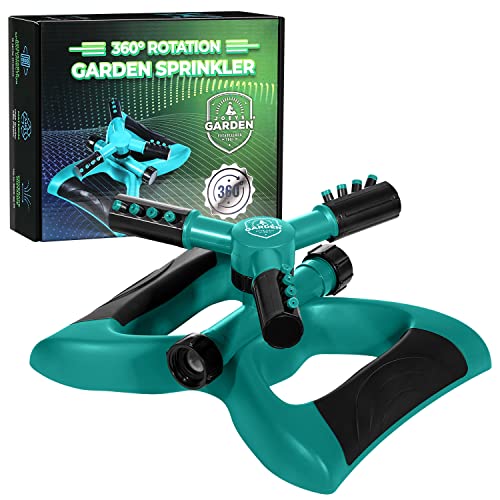
What the Joeys Garden 360 Rotating Sprinkler Does Well and Where It Falls Short
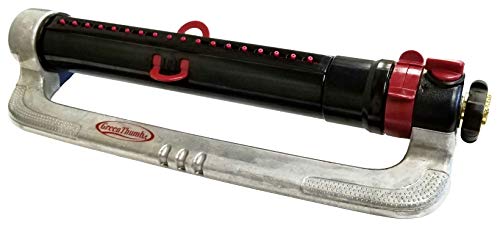
Green Thumb 4200MGT Metal Oscillating Sprinkler Reviewed for a 3900 Sq Ft Lawn

FXFOUCS 50 Ft Hybrid Garden Hose Review: Kink Resistant and Rated to a 700 PSI Burst

Real Hose Storage 4-Wheel Hose Reel Cart Review for a 250-Foot Hose

Gilmour Heavy Duty Graphite Fireman Nozzle Reviewed for 8 Spray Patterns and a Swivel Connect
