Garden insect netting is chosen by mesh size against the pest, by how much light and water it passes, by how it is held off the crop and sealed at the edges, and by how many seasons its UV treatment lasts. This guide explains the numbers and how to size netting to beds and rows.
The short answer
Choose insect netting by the smallest pest it has to stop, then by light transmission, then by how it will be supported and sealed. A knitted polyethylene mesh of about 0.6 to 1 mm stops carrot fly, flea beetles, cabbage moths, leaf miners and most aphids while passing about 85 to 90 percent of light and nearly all rain; that one grade covers most vegetable beds. Finer mesh near 0.3 mm is for thrips and whitefly and runs hotter. Coarser mesh and bird netting at 15 to 20 mm keep off birds and butterflies only. Hold the net off the crop on hoops, seal every edge to the soil, lift it for pollination on fruiting crops, and expect three to five seasons from a UV stabilized mesh.
Mesh size: what the numbers mean
Mesh is quoted as the size of each hole in millimeters, or sometimes as holes per inch. The pest sets the number. Thrips and whitefly need about 0.3 to 0.5 mm, sold as ultra fine or 50 mesh and up. Aphids, flea beetles, leaf miners, carrot fly, onion fly and cabbage root fly are stopped by about 0.6 to 1 mm, the standard insect mesh grade. Cabbage white butterflies, diamondback moth, squash vine borer moths and leek moth are larger and 1 mm mesh stops them with room to spare, though a looser 3 to 5 mm butterfly net also works for the butterflies alone. Birds, rabbits and deer are the job of 15 to 20 mm bird netting or wire, which does nothing against insects. Buying the finest mesh for every bed is a mistake: finer netting passes less air and light, holds more heat, and costs more per foot, so match it to the worst pest on that bed.
What netting keeps out and what it does not
Netting is a barrier against pests that arrive by air. It excludes the egg-laying adults of cabbage worms, carrot fly, leaf miners, flea beetles that fly in, squash vine borer, cucumber beetles, and the cabbage root fly that lays at the stem base. It does not stop anything already in the soil under it: cutworms, wireworms, root maggots from last year, slugs and snails, or the overwintering pupae of flea beetles and squash vine borer in a bed that grew the same crop last season. Rotate beds before covering them, or the net seals the pest in with its favorite food. Netting also does not keep out fungal spores and does little against spider mites, which are small enough to pass most grades.
Light, water and air transmission
Makers publish light transmission as a percentage, and it is the number to compare between products of the same mesh. Standard 0.8 to 1 mm knitted mesh passes about 85 to 90 percent of visible light; ultra fine 0.3 mm mesh passes about 70 to 80 percent and warms the air underneath by a few degrees on a still day. Rain and overhead irrigation pass through mesh almost unhindered, so watering does not change. Air moves freely through 1 mm mesh and the crop under it does not overheat the way it does under a solid row cover in summer. By contrast, spunbonded row cover passes 70 to 85 percent of light depending on weight and holds heat, which is its purpose, and 30 to 70 percent shade cloth is a different product used to cool plants, not to exclude pests.
Row cover, insect mesh or shade cloth
These three are often sold side by side and do different jobs. Floating row cover is a spunbonded polypropylene fabric, light enough at 0.5 to 0.9 ounces per square yard to lie directly on plants, that keeps pests out and adds a few degrees of frost protection; it tears easily, passes less light and overheats crops in warm weather. Insect mesh is a woven or knitted polyethylene net that excludes pests with little change in temperature, lasts years, and needs hoops because its weight and stiffness bruise seedlings. Shade cloth, knitted polyethylene rated 30 to 70 percent, cools lettuce and greens in summer and does not exclude small insects. In a cool spring, row cover; in summer and for anything that stays covered for weeks, insect mesh; for heat, shade cloth. Some gardeners use row cover for the first weeks and swap to mesh when the weather warms.
Hoops, frames and sealing the edges
Netting should sit a few inches above the crop. Moths and flies lay through a net that touches a leaf, and growing plants push a lying net into a tent that fills with condensation. Hoops of 9 gauge wire, half-inch PVC pipe or half-inch EMT conduit, spaced 3 to 4 feet along the bed and tall enough to clear the mature crop, are the usual support; brassicas need 24 to 36 inches of height, carrots and lettuce 12 to 18. Rigid frames of wood or plastic pipe with net stretched over them suit raised beds and can be lifted off in one piece. Then seal the edges. Any gap is an entrance, and carrot fly in particular finds a gap at ground level. Bury the edge in a shallow trench, weigh it with sandbags, lumber or bricks every 2 to 3 feet, or clip it to a frame; on a raised bed, staples or clips along the timber do the job. Pull the net tight enough that wind does not lift the edges.
Pollination
Crops that set fruit from insect visits, which means squash, zucchini, cucumbers, melons, pumpkins and to a lesser degree beans and strawberries, must be uncovered once they flower or they will produce flowers and no fruit. Lift the net when the first female flowers open, which is usually the time the plant is big enough to tolerate squash vine borer and cucumber beetle anyway, or keep it on and hand pollinate with a small brush in the morning. Crops that do not need pollinating can stay covered from sowing to harvest: lettuce, spinach, kale, cabbage, broccoli, carrots, beets, onions, leeks and radishes. Tomatoes and peppers self-pollinate but set better with a breeze, so give them a tall frame or leave them uncovered.
UV life and sizing to beds and rows
Polyethylene breaks down in sunlight, and the UV stabilizer in the plastic is what sets the life. Look for a UV stabilized or UV treated rating and an expected life in seasons; a good knitted mesh lasts about three to five seasons in use, longer if it is only out for part of the year. Thin row cover is often a one or two season product. To size the net, add the bed width to twice the hoop height and then add about 2 feet for anchoring both edges. A 4 foot bed with 2 foot hoops needs a net about 10 feet wide, so a 10 or 12 foot roll width suits most raised beds; a 30 inch row with 18 inch hoops fits a 6 to 7 foot width. Length is the bed length plus enough to gather and seal both ends, about 3 feet. Buy a continuous roll rather than several small pieces, since joints are where gaps appear.
Washing and storage
At the end of the season, shake the net out, hose off soil and aphid residue, and let it dry fully before folding, or it mildews in the bag. Soapy water and a soft brush handle greasy spots; skip bleach, which weakens the fibers. Fold rather than cram it, since creases on a dry net are harmless but sharp folds under weight crack aged plastic. Store it in a sealed bin or bag out of sunlight and away from rodents, which chew nests in netting. Patch small tears with mesh offcuts and a needle or with netting repair tape; a tear larger than a hand is the point to retire that piece to bird duty and buy new mesh for the vegetable beds.
How we research
We compare published manufacturer specifications, official manuals, warranty information and recurring owner feedback. Rankings are research-based unless original YardToolLab test evidence is explicitly shown on the page.
FAQs
About 1 mm or finer keeps carrot fly, flea beetles and most aphids out; cabbage white butterflies and moths are stopped by anything under 5 mm, but 1 mm mesh covers all of them at once. Thrips need about 0.3 mm.
Good insect mesh passes about 85 to 90 percent of light and nearly all rain, so crops grow normally. Lightweight row cover passes 70 to 85 percent and shade cloth is sold by the percentage it blocks.
Yes for squash, cucumbers, melons and other crops that need insects to set fruit. Lift the netting once flowers open, or hand pollinate. Leafy crops, roots, onions and brassicas can stay covered to harvest.
UV stabilized knitted polyethylene mesh lasts about three to five seasons outdoors; thin spunbonded row cover lasts one to two. Storing it dry and out of sun between uses extends either.
Related guides

Garden Insect Netting for Raised Beds Buying Guide: Three Fine-Mesh Covers That Fit a 4×8 Bed

FARAER 4 x 26 Foot Ultra Fine Garden Netting Review: Keeping Cabbage Whites Off the Brassicas

RAINFLOW 50-Pack Stainless Garden Netting Clips Review: Holding Mesh to the Hoops
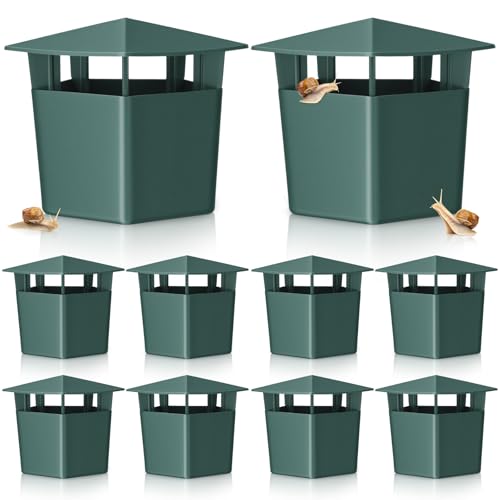
Mysora 10-Pack Beer Slug Traps Review: Covered Stations the Rain Does Not Flood

Maxguard 30-Pack Yellow Sticky Stake Traps Review: Gnats and Whiteflies Off the Plants

Orbit Yard Enforcer Review: A Motion Sprinkler That Teaches Deer and Cats to Stay Away

PURPLE STAR 6 x 3 Foot Raised Bed Netting Covers Review: Drawstring Mesh for the Standard Bed
