Choosing a raised garden bed means picking a material that lasts, a height that matches your soil and your back, a width you can reach across, and a soil volume you have worked out before the kit arrives. This guide walks through each with the numbers.
The short answer
For most backyards the right raised bed is cedar or galvanized steel, 12 to 17 inches tall, 4 feet wide or less, 8 feet long, set where it gets six to eight hours of sun, with an open bottom on soil and roughly a cubic yard of mix to fill it. Go taller, to 30 or 32 inches, or up onto legs, if bending is the problem. Go to fabric if the bed is for one season, a rental or a balcony. The sections below explain each of those choices and the numbers behind them.
Materials
Cedar is the classic. Its natural oils resist rot, it needs no finish, and boards 1.5 to 2 inches thick last 10 to 15 years; the thin 3/4 inch boards in cheap kits cup, split and go soft in 3 to 5. Redwood behaves the same and is a West Coast option; untreated pine or fir looks similar on the shelf and lasts a third as long. Galvanized steel panels, now usually a zinc and aluminum coating sold under names such as Aluzinc, assemble with bolts, come in modular sizes and heights, and last 15 to 20 years or more; they are thin, so the edges can be sharp before the trim goes on, and the sides warm quickly in sun, which helps spring crops and dries the edges in July. Composite boards, made of recycled plastic and wood fiber or straight HDPE, never rot and never leach, but they flex, so runs over 4 feet need center stakes or the sides bow. Fabric beds, essentially large grow bags with a wire or fabric frame, are the cheapest way to start, drain and air-prune roots well, dry out fastest, and last one to three seasons before the fabric breaks down in UV. Thin molded plastic kits are the ones to be wary of; they bow under wet soil and crack after a winter.
Height: who needs which
Eight inches is the minimum worth building, and it only works on decent soil underneath, since lettuce, herbs, bush beans and strawberries are shallow but tomatoes and carrots will root down into the ground below. Twelve inches is the standard: it holds enough mix for most vegetables, tomatoes included if the ground under it is loosened with a fork first. Seventeen inches, a common metal kit height, is the choice over hard clay, over roots or gravel, for carrots, parsnips and potatoes, and for anyone who finds a 12 inch bed a long way down. Thirty to 32 inches brings the soil to waist height for a standing gardener, and 24 to 30 inches suits a gardener in a wheelchair with a bed narrow enough to reach across. Beds that tall hold a lot of soil, and the usual approach is to fill the bottom third to half with logs, branches, wood chips or coarse compost, which settles over a couple of seasons and saves most of the cost of mix.
Width and length
The width rule is about reach, not lumber. An adult reaches comfortably about 2 feet into a bed without stepping in, and stepping in compacts the soil you built the bed to protect. A bed you can walk around on both sides can therefore be 4 feet wide and no more; 3 feet is better for children and shorter gardeners. A bed against a fence or a wall, reached from one side only, should be 2 to 2.5 feet wide. Length is free, with 8 feet the norm because boards come in that length, but leave paths of 2 to 3 feet between beds, and 3 feet where a wheelbarrow has to pass.
Soil volume math
Work out the soil before ordering the bed, because the soil often costs more than a cheap kit. Volume in cubic feet is length times width times depth, all in feet. A 4 by 8 bed 12 inches deep is 32 cubic feet. The same bed at 17 inches (1.4 feet) is about 45 cubic feet. A 4 by 4 at 12 inches is 16 cubic feet; a 2 by 8 at 17 inches is about 23. Bagged mix comes in 1.5 and 2 cubic foot bags, so the 4 by 8 by 12 inch bed takes about 21 of the 1.5 cubic foot bags. Bulk soil is sold by the cubic yard, which is 27 cubic feet, so one yard fills that bed with a little over for settling; for two or more beds, bulk delivery is cheaper and less plastic. A sound mix is roughly half to 60 percent screened topsoil, 30 percent compost and the balance something airy such as perlite, pine bark fines or coconut coir. Expect 10 to 20 percent settling the first season and plan to top up with compost each spring.
Drainage, liners and what goes underneath
On soil, leave the bottom open so roots, worms and water move freely, and skip landscape fabric inside the bed; it blocks roots and worms and clogs with fines within a couple of years. Lay cardboard on the grass to smother it; it is gone by midsummer. Where gophers, voles or moles are a problem, staple half-inch or quarter-inch hardware cloth across the bottom before filling. On a patio, a driveway or over contaminated soil, the bed needs a solid or lined bottom with drainage holes, and a layer of gravel or a drainage mat so the mix does not sit in water. Side liners are optional on wood (a food-safe plastic liner slows rot and keeps soil off treated lumber if that is a concern) and unnecessary on steel.
Elevated beds on legs
An elevated bed is a trough 8 to 12 inches deep standing on legs at 30 to 34 inches, usually 2 by 4 feet or 2 by 6 feet. It is the answer for a deck, a balcony, a renter, or a gardener who cannot bend or kneel, and it grows herbs, salad greens, strawberries, bush beans and compact peppers well; it is too shallow and dries too fast for full-size tomatoes or long carrots. Check the weight rating: a 2 by 4 foot trough 10 inches deep holds about 6.5 cubic feet of mix, which weighs 400 to 500 pounds wet, so the legs and cross braces must be built for it. Look for drainage holes or a drain plug, a liner, and a shelf below for tools.
Placement and sun
Vegetables want six to eight hours of direct sun, and morning sun counts most because it dries dew off leaves. Run a long bed north to south so both sides get light through the day, and if tall crops such as corn, pole beans or trellised cucumbers are in the plan, put them at the north end so they do not shade the rest. Keep the bed within hose reach, on level ground (dig the high side in rather than propping the low side up), and clear of large trees whose roots will find the good soil within a season; maples and walnuts are the usual offenders. Leave room for a hoop cover or a trellis.
Cost per square foot, and what to avoid
Compare beds on the cost per square foot of growing area, bed plus soil, rather than the kit price alone. Thick cedar costs the most up front and lasts the longest; steel kits give the most square feet of 17 inch deep bed for the money and last as long; fabric is cheapest to start and dearest over ten years because it is replaced. Avoid 3/4 inch boards, molded plastic thin enough to flex by hand, kits with no corner bracing (soil pushes the long sides out), undersized screws, paint or stain on the inside faces, and anything built from old railroad ties or salvaged lumber treated with creosote or the arsenic-based CCA that was withdrawn from residential sale in 2004. Modern copper-treated lumber is judged acceptable for food beds by most extension services; use it with a liner if it still worries you, or spend the extra on cedar and stop worrying.
How we research
We compare published manufacturer specifications, official manuals, warranty information and recurring owner feedback. Rankings are research-based unless original YardToolLab test evidence is explicitly shown on the page.
FAQs
Twelve inches suits most vegetables on reasonable ground. Go to 17 inches for root crops, hard clay or less bending, and 30 to 32 inches for gardening while standing or seated.
No wider than 4 feet if you can walk both sides, so you can reach the middle without stepping in. Against a fence or wall, keep it to 2 or 2.5 feet.
Multiply length by width by depth in feet. A 4 by 8 bed 12 inches deep needs 32 cubic feet, roughly 21 bags of 1.5 cubic feet or just over a cubic yard delivered in bulk.
Lumber treated since 2004 uses copper-based preservatives rather than arsenic, and most university extension services consider it acceptable for food beds. If you would rather not, use cedar or steel, or line the inside with a food-safe plastic.
Related guides

The Three Budget Raised Garden Beds Worth Buying: 4×2 Two-Packs Compared on Steel Gauge and Bracing

Raised Garden Bed for Small Spaces Buying Guide: Three Waist-High Elevated Beds for a Balcony or Patio

Raised Garden Beds for Beginners: Three 8-Foot Galvanized Kits That Go Up in an Afternoon

Vego Garden 17 Inch Extension Kit Review: Making a Modular Bed Longer

Tsurpcao 16 Foot U-Channel Edge Trim Review: A Soft Rail on a Sharp Metal Bed

Hi-Flame Raised Bed Corner Brackets 4-Set Review: Square Corners for a 2 x 12 Bed
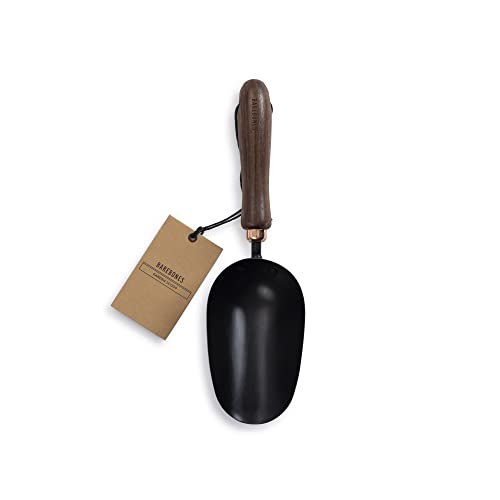
Barebones Garden Scoop Review: A Deep Stainless Spoon for Potting and Planting
