A mosquito trap draws biting females in with carbon dioxide, heat, scent or light and pulls them into a net with a fan. Choosing one means matching the lure to indoors or outdoors, reading the acreage claims with care, and placing it 20 to 40 feet from where people sit.
The short answer
Pick a mosquito trap by where it will run. Indoors, a plug-in UV light trap with a fan is enough. Outdoors, buy a trap that makes carbon dioxide, from propane, a cylinder or a chemical cartridge, with heat and an octenol or lactic acid lure, because biting mosquitoes find their targets by breath and skin scent far more than by light. Treat the acreage on the box as a ceiling, not a promise; a half-acre claim covers a typical suburban lot and a one-acre claim does not cover an acre. Place it 20 to 40 feet from where people sit, between the seating and the shady damp spots where mosquitoes rest, run it around the clock from spring, and pair it with a weekly walk around the yard tipping out standing water. No trap is a repellent, and no trap empties a yard on its own.
How traps attract and catch
Every trap has a lure and a capture method. The lures are the cues a female mosquito uses to find a meal. Carbon dioxide is the strongest: a trap that burns propane or releases CO2 from a cylinder or a cartridge mimics breathing, and the plume carries downwind. Heat, from a warm surface or the propane burner, mimics body temperature. Octenol, a compound found in breath and sweat, is sold as a cartridge that lasts about three weeks and draws floodwater and marsh species; a lactic acid lure, often labeled for Asian tiger mosquitoes, draws the daytime biters that octenol misses. UV light draws night-flying insects in general and mosquitoes only weakly, and some light traps add a titanium dioxide coating that produces a trace of CO2 under the lamp. The capture is nearly always a fan that pulls the insect into a net, a cup or onto a glue board, where it dries out. A separate family of traps, called gravid or egg traps, uses a tub of stale water to lure females ready to lay, with a sticky panel or a screen that drowns them; they use no power and work well in numbers around a property.
Indoor or outdoor
An indoor trap is a UV lamp with a fan and a removable catch cup or a glue card, plugged in near a bedroom door or wherever mosquitoes gather at dusk. It works best in a dark room with the lights off, and it will also take gnats, fruit flies and moths. An outdoor trap needs a weatherproof housing, a grounded outdoor outlet or a propane tank, and a lure that works in open air; UV alone outdoors competes with every other light and catches little that bites. Outdoor CO2 traps are larger, cost more, and are the only kind that meaningfully reduces a yard population.
Reading the coverage claims
Boxes say half an acre, one acre, even more. That number is the distance the attractant plume can travel in still air, not the area the trap keeps clear. Read it as follows: a trap rated for an acre is a strong trap suited to a half-acre lot; a trap rated for half an acre suits a quarter-acre lot; a trap rated in square feet rather than acres is an indoor or patio unit. Wind, trees, fences and the direction of the breeding area all shrink the real coverage, and two mid-size traps placed well beat one large trap placed badly.
Placement
Mosquitoes rest by day in shade and damp, under shrubs, in tall grass, along a wooded edge or a ditch, and fly upwind toward a plume of CO2 at dusk. Put the trap upwind of those resting areas and between them and the seating, 20 to 40 feet from where people gather, so the plume drifts into the shrubs and the mosquitoes follow it to the trap before they reach the patio. A trap set beside the table draws mosquitoes to the table. Keep it in shade, out of strong wind, away from competing lights, and low, since most biting species fly within a few feet of the ground. Move it after a week if the net is empty.
Running time, running cost and maintenance
Traps work by removing breeding females, and that takes time. Start in early spring, when the first adults emerge, and run the trap continuously through the season; makers and county extension services agree that a trap switched on an hour before a party does almost nothing. Expect two to four weeks before the bite count drops. Electric traps draw a few watts for the fan and lamp. Propane traps burn through a 20 pound tank in about three weeks, which is the main running cost, and the octenol cartridge is changed on the same schedule.
Empty the net or cup weekly, or every few days in peak season, because a full net cuts airflow and the lure stops working. Replace glue boards when covered. UV lamps lose most of their output after about 3,000 hours even if they still glow, so replace them each season. Wipe the fan blades and intake screens, and check propane fittings for leaks with soapy water at each tank change. Store the trap dry and indoors over winter.
What a trap does not do
A trap is not a repellent; it reduces the number of mosquitoes over weeks and does nothing for the ones already at your ankles tonight. Grid bug zappers are not traps: studies of their catch find mosquitoes a tiny fraction of the kill, with moths, beetles and other harmless or beneficial night insects making up the rest, and the zapping spreads insect particles. Citronella candles and spatial repellent devices protect a small area while they run and are a different tool. The combination that works is source reduction first, a trap second, and a repellent on skin or a spatial repellent on the table third.
Source reduction
A female lays in as little as a bottle cap of water, and eggs become biting adults in about a week in summer. Once a week, tip out saucers, buckets, wheelbarrows, toys, tarps and the kiddie pool, clear gutters, change birdbath water, and check the sag in a pool cover. Water that cannot be dumped, a rain barrel, a pond, a ditch, gets a Bti dunk, which kills larvae and nothing else. Trim shrubs and mow tall grass to take away resting places. A yard managed that way needs a trap for what blows in from the neighbors; a yard full of standing water out-breeds any trap.
Safety around children and pets
Most traps contain no pesticide, which is their chief advantage over foggers and sprays. The hazards are mechanical and electrical: keep fingers and paws away from fans and glue boards, hang indoor units out of reach, use an outdoor-rated cord on a GFCI outlet, and site propane traps in the open, never on a porch or in a garage, since the burner makes carbon monoxide. Octenol and lactic acid cartridges are low in toxicity but should stay sealed and out of reach. Do not place a UV trap where a child stares at the lamp, and empty catch cups into a sealed bag rather than onto the lawn.
How we research
We compare published manufacturer specifications, official manuals, warranty information and recurring owner feedback. Rankings are research-based unless original YardToolLab test evidence is explicitly shown on the page.
FAQs
Indoors in a dark room, somewhat; they catch gnats, midges and a share of mosquitoes. Outdoors, UV alone does poorly because biting mosquitoes hunt by carbon dioxide, heat and scent more than light. Outdoor traps need CO2 or a lure.
About 20 to 40 feet from where people gather, between the seating and the damp, shady spots where mosquitoes rest, so they reach the trap before they reach you.
Run continuously from early spring, a trap takes two to four weeks to make a noticeable dent, because it has to remove breeding females faster than they lay. Switching it on for a party does little.
No. Grid zappers kill mostly moths, beetles and other harmless night fliers; studies of zapper catches put mosquitoes at well under 5 percent. A trap with a fan and a lure is a different tool.
Related guides
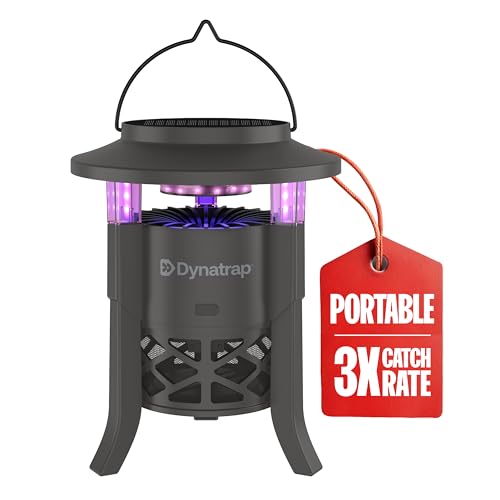
Budget Mosquito Traps: Three Low-Cost Rechargeable Picks, and Which Ones Are Really Traps

Best Ant Bait Stations for the Money
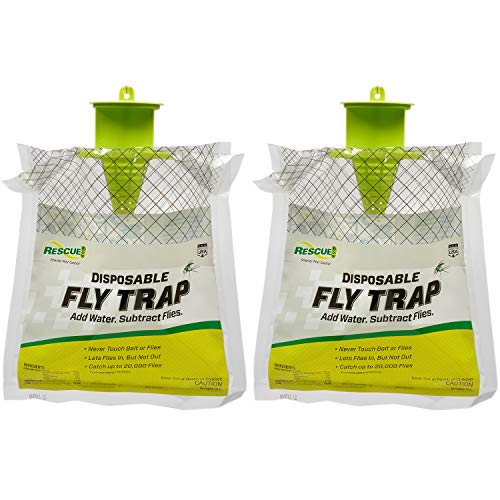
Best Fly Traps Worth Buying

Best Mosquito Repellent Refills

Best Tick Tubes of 2026

Best Citronella Candles

Best Bug Spray for Yard We Recommend
