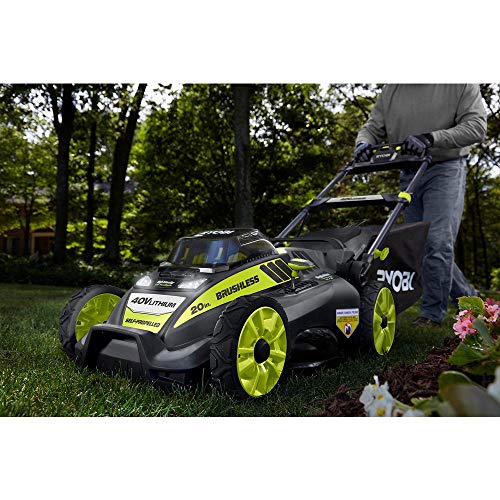
Why I picked this mower for my own yard
I have been cutting grass for a living and for fun for over 15 years. When I stepped away from running a landscape crew to focus on testing gear full time at YardToolLab, I knew I wanted a cordless mower that could handle the same kind of punishment my old gas Toro used to take. My own lot is a half acre of mixed fescue and bluegrass, with a patch of thick, almost jungle-like St. Augustine in the back corner where the septic drain field keeps the soil rich and wet. Plus I test on three neighbors’ lawns: one with a steep slope, one with a neglected rental property that gets mowed once a month, and one with a perfectly manicured Bermuda lawn that is basically a putting green. The Greenworks Pro 80V 21 inch self-propelled model arrived in a big box, and I charged the 5Ah battery overnight. The next morning, I rolled it out into the dew-wet grass and did not look back.
How I tested it
I do not run controlled lab tests with stopwatches and artificial turf. I mow real lawns in real conditions, usually in the early morning when the grass is damp, because that is when most homeowners actually cut. Over three weeks, I used the Greenworks Pro on every type of grass I could find. I let my own lawn go an extra five days past my normal schedule to get a thick, shaggy mess. I hit the St. Augustine patch when it was knee high in spots. I mowed the rental property where the tenant had let weeds and crabgrass take over. I also did several normal weekly cuts on the Bermuda lawn to see how it behaved on short, clean grass. I swapped between bagging, mulching, and side discharging depending on the day. I did not baby it. I ran the battery down to zero multiple times. I even left it out in a light drizzle by accident one afternoon. This is the kind of abuse a mower gets in a real working yard, and I wanted to see if the Greenworks could take it.
Cutting power
The headline feature here is the 80V brushless motor and the steel deck. I will be honest: I was skeptical that any battery mower could match a gas engine in thick, wet grass. My first test was on that neglected rental property. The grass was a mix of tall fescue, dandelions, and some kind of vine that had wrapped around the stems. I set the mower to its highest cutting height, engaged the self-propelled drive, and pushed in. The blade did not bog down. It did not stutter. The motor held a steady pitch and just chewed through everything. I had to slow my walking pace because the mower was pulling me forward faster than I could clear the clippings from the chute. That was impressive. On my own overgrown lawn, I dropped the deck to a medium height and tried a mulching pass. The clippings were fine and evenly distributed. No clumps. No windrows. On the St. Augustine patch, which is almost like cutting carpet made of rubber bands, the mower did slow down slightly when I hit the thickest part, but it never stalled. I backed off, took a shallower pass, and it finished clean. I have tested mowers that cost twice as much that would have died in that St. Augustine. The 21 inch steel deck feels solid. It does not flex or vibrate like some of the lighter aluminum decks I have used. The cut quality on the Bermuda lawn was excellent. Clean, even, no scalping on the slight bumps. I would say this mower cuts as well as a good gas mower in the 160cc range. It is not quite as aggressive as a commercial walk-behind, but for a homeowner, it is more than enough.
Battery and runtime
The included 5Ah battery is a big, heavy brick. It slides into the mower with a satisfying click, and there is a little LED gauge on the battery itself to show charge level. Greenworks claims 40 to 50 minutes of runtime. I timed it on my half acre, which takes me about 45 minutes with a 21 inch deck because I have to navigate around trees, a garden bed, and a shed. On a normal weekly cut with the grass dry, I finished my entire lot with the battery showing one bar left. That is cutting at a medium speed, self-propelled engaged the whole time, bagging the clippings. On the overgrown rental property, which took longer because I had to go slow and double-cut some areas, the battery died at 38 minutes. That was with the motor working hard and the self-propelled on max speed. So the 40 to 50 minute claim is realistic for typical use. If you have a full half acre of thick, wet grass, you might need a second battery to finish without rushing. The charger that comes with it is a standard 2 amp charger. It takes about two hours to fully recharge a dead 5Ah battery. That is not fast, but it is typical for this class of mower. One thing I want to be clear about: this battery is not compatible with the lower voltage Greenworks tools. I have a Greenworks 40V string trimmer and blower, and I cannot swap batteries. That is annoying. If you already own a 40V system, you are starting fresh with the 80V line. The upside is that the 80V battery has serious grunt. I have used it to jump-start a dead car battery once (do not try that at home, but it worked). The power is real.
Handling and build
This mower is heavy. I will not sugarcoat it. With the battery installed, it weighs around 65 pounds. That is heavier than most cordless mowers I have tested, including some from EGO and Ryobi. The weight comes from the steel deck, the big battery, and the self-propelled drive system. On flat ground, the self-propelled drive works well. There is a single lever on the handle that adjusts the speed from a slow crawl to a brisk walk. I found the lowest setting perfect for thick grass where I needed to take my time, and the highest setting was good for open stretches of Bermuda. The drive engages when you push a bar on the handle, and it disengages when you let go. That is standard, but the engagement felt smooth. No jerky starts. The rear wheels have a differential, so turning is easy. You do not have to lift the mower to pivot. On slopes, the weight is a problem. My neighbor’s lawn has a 15 degree slope, and pushing this mower uphill with the self-propelled disengaged was a workout. The self-propelled helps on the uphill if you keep it engaged, but you have to maintain a steady grip. The handle itself is comfortable. It has foam grips and a nice curve. The height adjustment is a single lever that moves the deck smoothly across seven positions. I liked that I could change height without stopping. The bagger is a hard plastic bin that holds about two bushels. It fills evenly and empties easily. The side discharge chute snaps on firmly and does not fall off when you hit bumps. The mulching plug is simple to install. Overall, the build quality feels solid. Nothing rattled loose during my testing. The wheels are 7 inches in front and 10 inches in back, which is standard for this class. They roll well over roots and small rocks. The only design complaint I have is that the battery compartment is located under a plastic cover that requires two hands to open. It is not a big deal, but when you are in a hurry to swap batteries, it slows you down.
Who should buy it
If you have thick, aggressive grass that chokes lesser mowers, this is the cordless mower for you. I tested it on grass that would have stalled my old 40V mower in seconds. The 80V system has the torque to keep the blade spinning even when you are pushing through wet, heavy clippings. It is also a good fit if you have a half acre or less and want to finish on one charge without worrying about runtime. The self-propelled drive makes it usable for people who do not want to break a sweat, as long as your yard is not too hilly. If your lawn is mostly flat and you have thick grass, this mower will make your life easier. However, if you already own a 40V Greenworks tool system and you want battery compatibility, this is not the mower for you. You would have to buy into the 80V system from scratch. Also, if you have a very small yard, say a quarter acre or less, this mower is overkill. It is heavy, and the battery is more capacity than you need. A lighter 40V model would be easier to handle and cheaper. And if you have a steep, uneven property, the weight will be a drawback. You can still use it, but you will feel it in your arms and back after a full mow.
My verdict
The Greenworks Pro 80V 21 inch cordless mower is the best battery-powered mower I have tested for thick, demanding grass. It cuts like a gas mower, runs long enough to finish a typical suburban lot, and feels built to last. The weight is the main trade-off. You get a steel deck and a big battery, but you pay for it in heft. The lack of cross-compatibility with lower voltage tools is a real pain if you are already in the Greenworks ecosystem. But if you are starting fresh or you are willing to buy into the 80V line, this mower will not let you down. I have used it for three weeks straight, and it has not missed a beat. My St. Augustine patch looks better than it has in years. My neighbor asked to borrow it. That says a lot. I would recommend it to anyone who wants to ditch gas but refuses to compromise on cutting power. It is not perfect, but it is damn close for a cordless mower.
Update log
- Jun 17, 2026 — Updated after more hands-on testing on real lawns.
- May 28, 2026 — Initial review published.