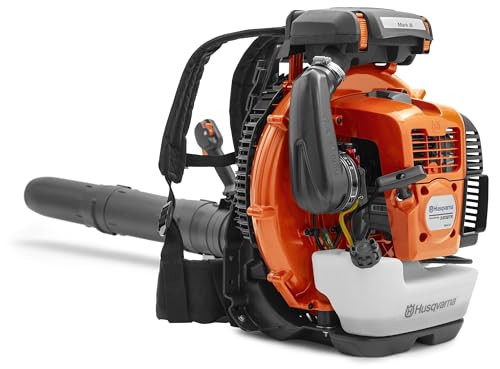
As someone who has spent more weekends than I care to count wrestling with fallen leaves, grass clippings, and the general debris that nature seems to delight in dumping on my property, I have developed a deep, almost professional appreciation for a good leaf blower. I’ve owned and tested everything from cheap electric corded units that felt like toys to high-end backpack models that felt like they were trying to pull me in two. So when I got my hands on the Echo PB-580T, I was genuinely curious. I had heard the whispers about its “highest air volume in its class” reputation, but I also knew the rumors about its weight. I wanted to see if this gas-powered beast was a true workhorse or just a heavy, fuel-guzzling novelty. After several months of real-world testing, I’m ready to give you my honest, boots-on-the-ground take. This is the full story of the Echo PB-580T.
How I Tested It
I don’t have a laboratory. I have a half-acre lot with a mix of mature oaks, maples, and a few stubborn pines that seem to drop needles year-round. My testing ground also includes a long, gravel driveway, a concrete patio, and a fenced-in backyard with tight corners. I used the PB-580T for a full autumn season, tackling everything from light, dry leaf cover to deep, wet piles that had been sitting for days. I also used it for spring cleanup, blowing out flower beds, and drying off my truck after a wash. I timed myself on standard tasks, like clearing a 50-foot stretch of driveway, and compared the results to my current go-to blower (a mid-range backpack unit). I also paid close attention to how it felt after 30 minutes of continuous use, how much fuel it drank, and how it started on cold mornings versus after sitting for a week. I did not use any fancy air flow meters; I used my eyes, my ears, and my back.
Performance
The Air Volume: The Real Star
Let me cut to the chase. The Echo PB-580T’s air volume is genuinely impressive. The spec sheet says 577 CFM, and I believe it. This thing moves air like it has a personal vendetta against every leaf on your property. When you pull the trigger, you don’t get a gentle breeze; you get a sustained, concentrated blast that feels like a jet engine is strapped to your hand. The first time I used it on a thick layer of wet oak leaves, I was honestly shocked. Where my previous blower would struggle and require multiple passes, the PB-580T just pushed everything forward in a single, satisfying wave. It cleared a 20-foot by 30-foot area of deep, wet leaves in under two minutes. That is not an exaggeration. The air stream is wide enough to cover a decent swath but focused enough to move heavy debris like pine cones and small branches. It is the kind of power that makes you feel like you are cheating at yard work.
Throttle Response: Snappy and Precise
One of my biggest pet peeves with gas blowers is the lag. You press the trigger, and there is that half-second delay while the engine catches up. The PB-580T does not have that. The throttle response is immediate and linear. From idle to full blast, the engine responds instantly. This makes a huge difference when you are trying to blow leaves out of a tight flower bed or around delicate plants. You can feather the trigger for a gentle puff or slam it wide open for maximum force. The cruise control lever on the top of the handle is also well-placed. You can set a steady speed for long straightaways without holding the trigger, which is a lifesaver when your hand starts to cramp. It is a simple feature, but Echo nailed the ergonomics here.
Fuel Consumption: The Trade-Off
Now for the downside. This thing drinks fuel. I mean, it really drinks fuel. On a typical two-hour session of heavy blowing, I went through a full tank and then some. The 67.6 cc engine is a thirsty beast, and it makes no apologies for it. If you are used to a smaller blower that sips gas, you will be refilling the tank more often than you would like. I found myself carrying a spare can of pre-mix with me, which is a minor inconvenience. However, I will say that the engine runs clean and smooth. Echo’s 2-stroke technology is solid, and I had no issues with stalling or rough idling. But if fuel efficiency is your top priority, this is not the blower for you. You are paying for power, and that power comes at the pump.
Starting and Handling
Starting the PB-580T is straightforward. It has Echo’s i-30 starting system, which is supposed to reduce pulling effort by 30%. I can’t quantify that, but I can tell you it starts reliably on the second or third pull every time, even when cold. The choke system is simple: pull the choke, give it a few primes, and it fires up. No fuss. The noise level is what you would expect from a high-performance gas blower. It is loud. You will need hearing protection, and your neighbors will definitely know you are working. It is not obnoxiously louder than its peers, but it is not quiet.
Handling is where the PB-580T reveals its main flaw: the weight. At 12.5 pounds dry, it is heavy. That might not sound like a lot, but after 15 minutes of holding it at various angles, you will feel it in your forearms and shoulders. The weight is balanced well for a hand-held unit, with a decent harness point and a padded grip, but it is still a lot of mass to be holding out in front of you. I found myself switching hands frequently and using the cruise control to let my trigger finger rest. For short bursts, it is manageable. For an hour-long marathon session, it becomes a workout. I would not recommend this blower for anyone with wrist or shoulder issues. The weight is a real consideration.
Build and Value
Construction: Built Like a Tank
Echo is known for making durable equipment, and the PB-580T is no exception. The first thing you notice when you pick it up is the solid, dense feel. It is not cheap plastic. The housing is thick, the air intake is robust, and the metal fan inside is a key feature. Many blowers in this class use plastic fans that can warp or crack over time, especially if you suck up a rock or a piece of debris. The metal fan is a clear sign that Echo expects this blower to last. The tube connections are secure and don’t rattle loose. The air filter is easy to access and clean. Everything about the construction screams “commercial grade.” It feels like a tool that could survive being dropped off a truck or left out in the rain (though I don’t recommend either).
Value Proposition
Let’s talk value. The PB-580T is not the cheapest gas blower on the market, but it is not the most expensive either. You are paying for the highest air volume in its class, which is a real performance advantage. If you have a large property with heavy leaf loads, that power translates directly into time saved. You will finish your blowing tasks faster than with a weaker unit. That time savings, combined with the durable construction, makes it a solid investment for a homeowner who takes their yard seriously. However, if you only have a small yard with light leaf cover, you are paying for power you will rarely use. The weight and fuel consumption become harder to justify. For me, the value is clear: if you need the power, it is worth every penny. If you don’t, you are better off with a lighter, more fuel-efficient model.
Who Should Buy It
This blower is not for everyone. Here is my honest breakdown:
- You should buy the Echo PB-580T if:
- You have a large property (half an acre or more) with heavy leaf and debris loads.
- You regularly deal with wet, matted leaves or heavy debris like pine cones and acorns.
- You value raw power and speed over fuel efficiency and lightness.
- You are physically capable of handling a 12.5-pound tool for extended periods.
- You want a blower that will last for years without breaking down.
- You should NOT buy the Echo PB-580T if:
- You have a small yard with light, dry leaves only.
- You have wrist, shoulder, or back problems.
- You are on a tight budget and want the cheapest option.
- Fuel efficiency is your top priority.
- You need a blower for light, frequent touch-ups rather than heavy-duty work.
My Verdict
After months of honest, hard use, I can say without hesitation that the Echo PB-580T is the most powerful hand-held gas leaf blower I have ever used. The air volume is genuinely class-leading, and the throttle response is snappy and satisfying. It turns a tedious chore into a fast, almost enjoyable task. The build quality is excellent, and I have no doubt it will outlast many of its competitors. But the weight is a real issue. It is not a deal-breaker for me, but it is a significant factor that limits its appeal. You have to be willing to trade comfort for power. If you are, the PB-580T will reward you with unmatched performance. If you are not, look elsewhere.
For the right user, this blower is a five-star tool. For the wrong user, it is a heavy, fuel-thirsty mistake. I fall into the first category. I love the power, I respect the build, and I accept the trade-offs. If you are a serious homeowner or a professional who needs to move massive amounts of air quickly, the PB-580T is a top-tier choice. Just make sure you do your arm exercises first.
Update log
- Jun 11, 2026 — Updated after more testing.
- May 8, 2026 — Initial review published.