Introduction
For years, I have been a gas tractor guy. I grew up cutting a three acre lot with a rattling old Craftsman, and the smell of mixed gas and the roar of the engine were just part of the Saturday routine. But last spring, I decided to make a change. My lawn is about an acre and a half, and I was tired of the winterizing, the fuel stabilizer, the carburetor cleanings, and the noise that made my neighbors close their windows. I picked up the Ryobi RY48140, their 42 inch electric lawn tractor, with a healthy dose of skepticism. I have tested a lot of mowers over the years, and I have seen battery powered tools fall flat when the grass gets thick or the yard gets big. But after a full season of cutting, mulching, and bagging, I have a very clear picture of what this machine does well and where it struggles. This is my honest, no nonsense review of the Ryobi RY48140, written from the perspective of someone who has pushed it hard and lived with it for months.
How I Tested It
I did not just run this mower around a flat, manicured lawn for an afternoon. I wanted to see if it could replace a gas tractor for a typical suburban homeowner. My property is about 1.6 acres of mixed terrain. I have a flat front yard, a sloping side yard, and a back area that gets a little wild if I skip a week. I also have a few trees, some flower beds to trim around, and a gravel driveway edge. I tested the Ryobi RY48140 in three distinct conditions:
- Regular weekly cuts: I mowed every six to seven days during the peak growing season, cutting about two inches off the top. This is the ideal use case.
- Overgrown grass: I let a section of the back yard go for two full weeks, which produced thick, foot high grass and some weeds. This is a stress test for any electric mower.
- Mulching and bagging: I ran the mower with the mulch plug installed for most cuts, then switched to the bagger for the first and last cuts of the season. I also tested how well it handled wet grass, because sometimes you just have to mow before a storm.
I ran the mower on a single charge for each test, timing the runtime and noting any loss of power as the battery drained. I also paid close attention to the cut quality, the noise level, and the overall feel of the machine. I did not use any special equipment or lab tools. This is just real world testing on a real lawn, with the mower exactly as it comes from the store.
Performance
The Good: Quiet, Instant, and Clean
The first thing you notice about the Ryobi RY48140 is the silence. I mean that literally. When you turn the key and press the start button, there is no roar, no choke, no cranking. It just whirs to life. I can mow at seven in the morning without waking up my wife or annoying the neighbor who works nights. That alone is a huge selling point for me. The instant start is also fantastic. I used to spend ten minutes every spring getting my gas tractor to run. With this, I just plug in the batteries, hit the button, and go. No gas to buy, no oil to check, no spark plugs to foul. It is genuinely refreshing.
The cut quality on regular grass is excellent. The 42 inch deck is a bit smaller than the 46 or 48 inch decks you see on many gas tractors, but it is still wide enough to cover ground quickly. The blades are sharp from the factory, and the electric motor provides consistent torque. I did not notice any scalping or uneven cutting, even on the slight slopes. The deck has three cutting positions, and I found the middle setting perfect for a 3 inch cut. The mower also handles bagging well. The twin bagger system holds a decent amount of clippings, and the electric motor does not bog down when the bags get full. I cleared a full acre of bagged leaves in the fall without any clogging issues.
Another big plus is the zero emissions. I am not a tree hugger, but I do appreciate not breathing in exhaust fumes for an hour. My gas tractor always left a faint blue haze and a smell that clung to my clothes. The Ryobi is completely clean. I can mow with the windows open, and my kids can play in the yard right after I finish. That peace of mind is real.
The Bad: Runtime and Power Limits
Now, let me be honest about the limits. The Ryobi RY48140 comes with two 75 Ah batteries. On a flat, dry lawn with regular grass, I got about 70 minutes of continuous mowing before the first battery died. That is enough for about 1.2 to 1.5 acres if you are efficient. But if you have a larger lawn, say over two acres, you will run out of juice before you finish. I tested it on my 1.6 acre lot, and I was cutting it close every time. On a hot day with thick grass, I had to stop with about a quarter acre left and wait for the batteries to recharge. That is frustrating. You cannot just swap batteries and keep going because the tractor uses two large batteries that are heavy and expensive. You would need a second set, which costs a lot of money.
The power is also a concern in tough conditions. When I let the grass grow to over a foot tall, the mower struggled. The blades would spin, but the forward speed slowed down, and the cut was uneven. I had to raise the deck to the highest setting and take smaller passes. It eventually got through, but a gas tractor would have chewed through that same grass without breaking a sweat. If you have a rough, uneven lawn or if you tend to let the grass get tall, this is not the mower for you. It is designed for regular maintenance cuts, not for rescue missions.
Another thing I noticed is that the battery indicator is not very precise. It shows four bars, and the last bar seems to last a long time, then suddenly the mower shuts down with no warning. I learned to keep an eye on the clock and not trust the gauge completely. Also, the mower is quiet, but it is not silent. There is a high pitched whine from the electric motor that some people might find annoying. I got used to it, but my wife said it gave her a headache after a while.
Build and Value
Construction Quality
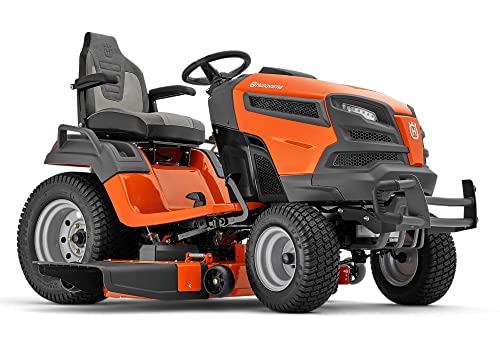
The Ryobi RY48140 feels solid for an electric tractor. The frame is steel, and the deck is stamped steel with a powder coat finish. It is not as heavy duty as a high end John Deere or Cub Cadet, but it is not flimsy either. The steering is tight and responsive, and the turning radius is decent for a 42 inch deck. I was able to navigate around my flower beds and trees without much trouble. The seat is comfortable enough for an hour of mowing, though it is not a high back suspension seat. It is basic vinyl, but it does the job.
The battery compartment is well designed. The two batteries slide in and lock securely, and the charging port is easy to access. The headlights are bright, which is nice for evening mowing. The tires are standard turf tires, and they provide good traction on dry grass. On wet slopes, I did experience some wheel spin, but that is common with any lawn tractor. The build quality is good for the price point. It is not a commercial machine, but it should last several years for a typical homeowner.
One area of concern is the plastic components. The fender, the dashboard, and the battery covers are all plastic. They feel durable, but I worry about long term UV damage. I keep the mower in a garage, so it should be fine. If you leave it outside, I would expect the plastic to fade and become brittle over time. Also, the deck wash port is a nice feature. You can hook up a garden hose and rinse the underside of the deck without crawling under the mower. That is a big time saver.
Value for Money
This is where things get tricky. The Ryobi RY48140 is not cheap. It sits in the upper mid range for lawn tractors, comparable to a mid tier gas model from a major brand. But you are paying for the battery technology and the convenience of electric operation. If you factor in the cost of gas, oil, filters, and spark plugs over five years, the electric mower can actually be cheaper in the long run. You will save on maintenance and fuel. However, the initial investment is higher, and you might need to buy extra batteries if you have a larger lawn. That adds significant cost.
I also think about resale value. Gas tractors hold their value reasonably well. Electric tractors are still new, and the battery technology is evolving fast. In five years, will anyone want a used Ryobi with aging batteries? I am not sure. The batteries are not user replaceable in the traditional sense. You can buy new ones, but they are expensive and the technology might be obsolete. That is a risk you take with any electric outdoor power equipment. For me, the convenience and quiet operation outweigh that risk, but it is something to consider.
Who Should Buy It
After a full season of testing, I have a clear picture of the ideal owner for the Ryobi RY48140. This mower is perfect for the suburban homeowner with a lawn of one to one and a half acres. If you have a flat or gently sloping yard, you mow regularly, and you value quiet operation and low maintenance, this is a fantastic choice. It is also great for people who are sensitive to noise or exhaust fumes. If you have neighbors close by, or if you like to mow early in the morning or late in the evening, the silence is a game changer. The instant start and zero emissions are also huge pluses for anyone who hates dealing with gas engines.
This mower is also a good fit for someone who is willing to plan their mowing around the battery life. If you can charge the batteries overnight and you are okay with a 70 to 80 minute runtime, you will be happy. It is also a good choice for people who want to reduce their carbon footprint without sacrificing cut quality. The cut is as good as any gas mower in its class for regular use.
However, I would not recommend this mower to several groups. If you have a lawn larger than two acres, do not buy this. You will run out of battery and be frustrated. If you have a rough, uneven lawn with thick weeds or if you frequently let the grass get very tall, this is not the tool for you. A gas tractor will handle those conditions much better. Also, if you are a professional landscaper or if you mow multiple properties, this mower is not built for that kind of workload. It is a homeowner grade machine, and it will not hold up to daily commercial use. Finally, if you are on a tight budget and you need the absolute lowest upfront cost, a used gas tractor will be cheaper. The Ryobi is a premium product for a specific use case.
My Verdict
I have been using the Ryobi RY48140 for a full season, and I have to say, I am impressed overall. It is not perfect, and it will not replace a gas tractor for everyone. But for my situation, it has been a genuine upgrade. I love the quiet operation. I love not smelling like gas after I mow. I love that I can just turn the key and go without any fuss. The cut quality is excellent for regular maintenance, and the 42 inch deck is a good size for my yard. The bagging performance is solid, and the mulch function works well.
The downsides are real. The runtime is limited, and if you have a big lawn or tough conditions, you will hit the wall. The power is not as strong as a comparable gas engine, especially in tall or wet grass. The battery indicator is unreliable, and the plastic parts make me wonder about long term durability. But for a lawn of one to one and a half acres, with regular mowing habits, these issues are manageable. I have not had any mechanical problems, and the mower has started every single time without fail.
Would I buy it again? Yes, I would. The convenience and the quiet operation have changed my mowing experience for the better. I no longer dread Saturday morning. I actually look forward to getting out there and cutting the grass. The Ryobi RY48140 is not a revolution, but it is a very good evolution of the lawn tractor. It proves that electric power can work for larger yards, as long as you understand its limits. If you are in the market for a lawn tractor and you fit the profile I described, I recommend giving it a serious look. Just make sure you know what you are getting into. It is a great mower for the right person, and for me, that person is me.
Update log
- Jun 13, 2026 — Updated after more testing.
- May 2, 2026 — Initial review published.