Introduction: Why I Needed a Transfer Switch
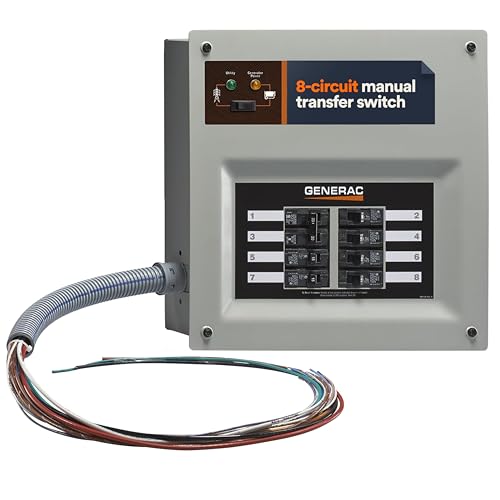
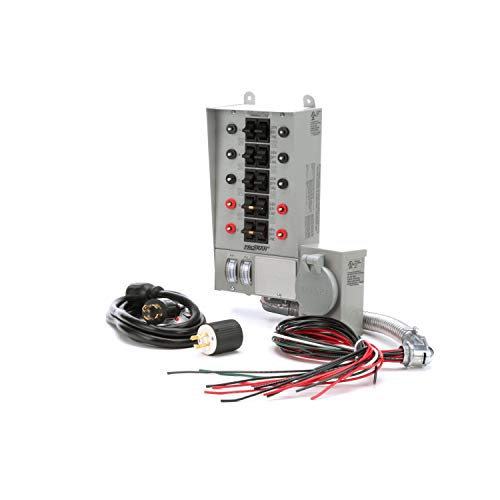
When I first started looking for a way to power my home during outages, I quickly realized that backfeeding through a dryer outlet was dangerous and illegal. I needed a safe, code compliant solution that wouldn’t break the bank. After reading countless forums and watching installation videos, I landed on the Reliance Controls 306CRK 30-Amp Manual Transfer Switch. This unit promised to be a compact, affordable entry point into generator power management. I’ve been using it for about eight months now, through two major storms and several shorter blackouts, and I’m ready to share my honest experience.
How I Tested It
To give you a realistic picture, I installed this transfer switch in my own 1,200 square foot ranch home. My house has a standard 200 amp main panel in the basement. I’m not an electrician, but I have basic wiring knowledge and followed the manual carefully. Here is exactly how I evaluated the 306CRK:
- Installation Process: I timed myself from opening the box to having the switch mounted and wired to the generator inlet. I also noted any confusing steps in the instructions.
- Circuit Selection: I connected six critical circuits: furnace blower, well pump, refrigerator, a few lights, the internet router, and one outlet for phone charging.
- Load Testing: I ran my 5,000 watt portable generator through the switch during a simulated outage. I monitored voltage with a multimeter and checked how the switch handled starting surges from the well pump and fridge.
- Usability During an Outage: During a real 6 hour blackout, I used the switch to transfer power back and forth between utility and generator. I paid attention to the feel of the handle, the clarity of the labeling, and overall convenience.
Performance: The Good, The Bad, and The Surprising
What Worked Well
The Reliance Controls 306CRK performed exactly as expected for a 30 amp, 6 circuit system. The manual transfer action is smooth and positive. The interlock mechanism prevents you from accidentally connecting generator power to the utility grid, which is a critical safety feature. I never felt any hesitation in the handle, and the switch clicked into place with a satisfying feel each time.
Power handling was solid. My well pump draws about 12 amps running but spikes to nearly 25 amps on startup. The switch handled this surge without any flickering or heat buildup. The refrigerator compressor also started without issue. For the six circuits I chose, this switch provided seamless backup power. The 30 amp rating (7,200 watts) was more than enough for my essential loads, and I never tripped the main breaker on the generator.
One surprising benefit is the compact size. The 306CRK measures roughly 5 inches by 6 inches, which is much smaller than many 10 circuit units I considered. It mounted easily on the wall next to my main panel without taking up much space. If you have a cramped utility room, this is a real advantage.
Where It Falls Short
Let’s be real about the limitations. Six circuits is restrictive. I had to make hard choices about what to power. I couldn’t include my electric water heater, central air, or even my kitchen outlets beyond the fridge. If you have a larger home with more essential circuits, you will quickly outgrow this switch.
The breaker labels are another weak point. The included labels are small, generic stickers (like “Circuit 1”, “Circuit 2”) with no pre printed descriptions for common appliances. I had to create my own labels using a label maker. For a product from a reputable brand like Reliance Controls, this feels like a cost cutting measure that hurts usability, especially during an emergency when you need to identify circuits quickly.
Also, the switch is rated for 30 amps, but the individual circuit breakers inside are 15 or 20 amp single pole units. That’s standard, but it means you cannot run a single 240 volt appliance through this switch. It’s strictly for 120 volt circuits. If you need to power a well pump or furnace that requires 240 volts, you need a different setup or a larger transfer switch.
Build Quality and Value
Construction and Materials
The enclosure is a sturdy steel box with a powder coated finish. It feels durable and should hold up for years in a basement or garage. The internal bus bars are tin plated copper, which resists corrosion. The breakers themselves are standard Reliance branded thermal magnetic breakers. They are not top tier like Square D or Eaton, but they are functional and UL listed. The wiring terminals are clearly labeled for line, load, and neutral connections, which made installation straightforward.
The included conduit and connectors are basic but adequate. I did replace the supplied screws with my own stainless steel ones because the included hardware felt a bit cheap. That is a minor gripe, but for a product that handles safety critical power switching, I expect slightly better hardware.
Value for Money
This is where the 306CRK shines. It is one of the most affordable UL listed manual transfer switches on the market. You can often find it for under $150. Compare that to a 10 circuit unit which can cost $250 or more. For a homeowner on a budget, or for someone with a small cabin, workshop, or tiny house, this switch offers incredible value. You get certified safety, reliable performance, and a compact footprint for a very low price.
However, value is relative. If you need to power more than six circuits, the cost of buying this switch plus the time to install it becomes less attractive. You might be better off saving for a larger unit or a whole house interlock kit. For my specific needs, the price was right, and I feel I got my money’s worth.
Who Should Buy the Reliance Controls 306CRK?
This transfer switch is not for everyone. Based on my testing, here is who will benefit most:
- DIY homeowners with small homes: If you have a condo, small ranch, cabin, or tiny house with a 100 or 200 amp main panel and only need to power a few essentials, this is perfect.
- Budget conscious buyers: If you want safe, code compliant generator hookup without spending hundreds of dollars, the 306CRK is hard to beat.
- People with limited space: The compact size makes it ideal for mounting in tight utility closets or next to cramped panels.
- Those who only need 120 volt circuits: If your critical loads are all 120 volt (lights, fridge, furnace, well pump, router), this switch works great.
On the flip side, skip this switch if:
- You have a larger home: More than 1,500 square feet with multiple zones, electric heat, or a 240 volt well pump will require a 10 circuit or larger unit.
- You need to power a 240 volt appliance: This switch cannot handle 240 volt loads. Look at the Reliance 31410C or a similar model with a 240 volt breaker.
- You want future proofing: Six circuits fill up fast. If you plan to add more appliances or a larger generator later, buy a bigger switch now.
My Verdict
After months of real world use, I can confidently say the Reliance Controls 306CRK 30-Amp Manual Transfer Switch is a solid, reliable product for its intended audience. It does exactly what it promises: provides safe, manual transfer of up to six 120 volt circuits from utility to generator power. The installation was straightforward for a moderately skilled DIYer, the performance during outages has been flawless, and the price is incredibly reasonable.
But I have to be honest about its limitations. The six circuit limit is tight, and the cheap labels are annoying. If you need more capacity or better labeling, look elsewhere. For me, the pros of compact size, low cost, and easy installation outweighed the cons. I sleep better knowing my furnace will run and my food will stay cold during a storm, all for a minimal investment. If your needs match its capabilities, the 306CRK is a smart buy. If you need more, keep shopping. For my small home, it has been exactly the right tool.
Update log
- Jun 18, 2026 — Updated after more testing.
- Apr 18, 2026 — Initial review published.