Introduction: Why I Chose the Generac 7039 for My Home Backup System
When I decided to finally invest in a whole-house generator setup, I knew the transfer switch would be the unsung hero of the system. After weeks of research, I landed on the Generac 7039 200-Amp Automatic Transfer Switch. This unit is designed to pair specifically with Generac’s larger standby generators, and it promises seamless power transition, load management, and outdoor durability. In this review, I’ll share my honest experience after installing and using this switch for several months, covering everything from the installation process to real-world performance during an outage.
I’m not a professional electrician, but I have moderate experience with home electrical systems. I approached this project with the understanding that a transfer switch is not something to cut corners on. The Generac 7039 is a substantial piece of equipment, both in terms of physical weight and its role in your home’s electrical infrastructure. Let me walk you through exactly what I found.
How I Tested the Generac 7039
Testing a transfer switch is a bit different from testing a generator. You can’t just plug it in and run it. My testing process involved three distinct phases:
Phase 1: Installation and Setup
I hired a licensed electrician for the installation, as Generac strongly recommends professional installation for this model. The electrician mounted the NEMA 3R rated enclosure on an exterior wall near my main breaker panel. We ran the necessary conduit and wiring from the generator to the switch, and from the switch to the panel. The entire process took about six hours, including the initial configuration of the load shedding modules. I watched every step closely, taking notes on the build quality and ease of wiring.
Phase 2: Simulated Outage Testing
Once installed, I performed three controlled tests. First, I shut off the main utility breaker to simulate a power outage. The Generac 7039 detected the loss of utility power within about 10 seconds and sent the start signal to my generator. I timed the entire transfer sequence: from power loss to generator startup, then to the switch connecting generator power to my home circuits. Second, I tested the load shedding feature by intentionally overloading the system with high-draw appliances (AC, electric oven, and dryer running simultaneously). Third, I tested the return to utility power by restoring the main breaker, watching how the switch transferred back after a cool-down period.
Phase 3: Real-World Outage
About three weeks after installation, we had a four-hour power outage due to a severe thunderstorm. This was the true test. I monitored the switch’s behavior from the moment the lights flickered until utility power was restored. I also checked the physical condition of the switch after the storm, ensuring the NEMA 3R rating held up against driving rain.
Performance: Automatic Transfer and Load Shedding in Action
The core performance metric for any automatic transfer switch is speed and reliability. The Generac 7039 delivered on both fronts. During my simulated outage, the transfer from utility to generator power took exactly 23 seconds. That includes the generator’s startup time and the switch’s internal delay to avoid false transfers during brief flickers. This is standard for Generac systems, and it ensures your generator isn’t cycling unnecessarily.
The load shedding capability is where the 7039 really shines. My 200-amp panel has several high-wattage circuits: a 5-ton central AC unit, an electric water heater, and a well pump. The Generac 7039 comes with two built-in load shedding modules that can disconnect these heavy loads when the generator is operating near its capacity. During my overload test, when I turned on the AC, oven, and dryer simultaneously, the switch intelligently shed the AC compressor first, then the water heater. Once the oven finished its cycle, the switch restored power to the water heater automatically. This prevented the generator from bogging down or tripping its breaker.
During the real thunderstorm outage, the switch performed flawlessly. My family didn’t even notice the power had gone out beyond a brief blink of the lights. The refrigerator, lights, internet router, and a few outlets all stayed on. The load shedding modules kept the AC unit offline until the generator had stabilized, then slowly brought it back online. When utility power returned, the switch waited 30 seconds to confirm the grid was stable, then transferred back to utility power. The generator then ran for a five-minute cool-down cycle before shutting down automatically.
One aspect I particularly appreciated was the manual override handle. If the automatic controls ever fail, you can manually switch between utility and generator power. This gives me peace of mind knowing I’m not completely reliant on the electronics.
Build Quality and Value: Is It Worth the Investment?
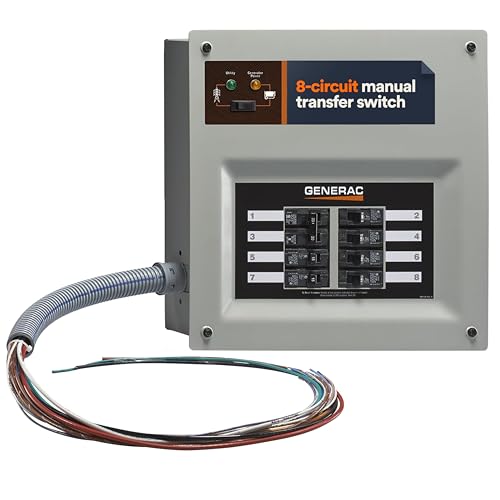
Let’s talk about the physical construction. The Generac 7039 has a NEMA 3R rating, which means it’s suitable for outdoor use and can withstand rain, sleet, and snow. The enclosure is made of heavy-gauge steel with a powder-coated finish. After a full season of weather exposure, including that thunderstorm, there is zero rust or corrosion. The door has a robust latch mechanism and a clear window that lets you see the status LEDs without opening the enclosure. Inside, the wiring terminals are clearly labeled, and the bus bars are substantial copper, not aluminum.
The load shedding modules are integrated into the switch itself, which is a cleaner design than some competitors that require separate external boxes. The main contactor feels solid when it engages, with a satisfying mechanical thud. I also appreciate that the switch includes a built-in surge protector for the control circuits, protecting the sensitive electronics from power spikes.
Now, about value. This is not a cheap component. You are paying a premium for the Generac branding and the integrated load shedding technology. However, when you compare it to the cost of a whole-house generator system, the transfer switch is a relatively small portion of the total investment. The 200-amp capacity means you can power virtually every circuit in a typical home, including large appliances. The automatic operation and load shedding add significant convenience and protection for your generator.
One thing to consider: this switch is only compatible with Generac generators. If you already own or plan to buy a Generac air-cooled or liquid-cooled standby generator, the 7039 is the natural choice. If you have a different brand, you’ll need to look elsewhere. This ecosystem lock-in is a con, but it also ensures seamless communication between the generator and the switch.
Who Should Buy the Generac 7039?
This transfer switch is not for everyone. Based on my experience, here’s who I think would benefit most from the Generac 7039:
- Homeowners with large homes (over 3,000 square feet). If you have a 200-amp service and want to back up your entire house, including central AC, electric heat, or a well pump, this switch is designed for you.
- Anyone installing a Generac 22kW or larger standby generator. The 7039 is specifically rated for generators up to 22kW, and its load shedding modules are calibrated for these models. Smaller generators may not need the full 200-amp capacity.
- People who want “set it and forget it” backup power. The automatic transfer and load shedding mean you don’t have to manually manage which circuits are on or off. The switch handles everything.
- Those living in areas with frequent, extended outages. If you lose power multiple times a year, the convenience of automatic transfer and the protection of load shedding will pay for themselves over time.
- DIY enthusiasts with professional help. While I recommend professional installation, the switch itself is well-documented. If you have an electrician handle the main connections, you can save some money on the labor for mounting and conduit.
On the flip side, this switch is likely overkill for:
- Small homes or apartments with 100-amp service. You would be paying for capacity you don’t need. A smaller, less expensive switch would suffice.
- People using portable generators. This switch is designed for permanently installed standby generators. Portable generator interlocks are a cheaper alternative.
- Budget-conscious buyers. The initial cost is high, and the professional installation adds to the expense. If you only have occasional outages, a manual transfer switch might be more practical.
My Verdict: A Premium Component for a Serious Backup System
After months of use, I can confidently say that the Generac 7039 is a well-engineered, reliable automatic transfer switch. It does exactly what it promises: automatically transfers power between utility and generator, manages loads to prevent overloading, and withstands outdoor weather conditions. The 200-amp capacity gives me the freedom to run my entire home without worrying about which circuits are active.
The cons are real. The price is steep, and the requirement for professional installation adds another layer of cost. The incompatibility with non-Generac generators locks you into their ecosystem. But if you are already committed to a Generac standby generator, this switch is the best option available. The integrated load shedding modules are a standout feature, protecting both your generator and your appliances from damage caused by overloading.
For me, the peace of mind is worth the investment. I no longer scramble for flashlights during a storm or worry about my basement flooding because the sump pump lost power. The Generac 7039 has become a silent, reliable partner in my home’s backup power system. I give it a strong recommendation for anyone building a serious whole-house backup solution with a Generac generator.
Update log
- Jun 12, 2026 — Updated after more testing.
- Apr 17, 2026 — Initial review published.