Quick verdict
The best chainsaw sharpener is the one you'll use consistently. For most users, an electric bench grinder like the Oregon 520-120 offers the best balance of speed, precision, and ease of use, but if you work in remote areas, a portable option like the Granberg Bar-Mount is invaluable.

Oregon 520-120 Bench Mount Sharpener
This electric sharpener delivers consistent, factory-quality edges in under two minutes per chain. Its adjustable stop and depth gauge tool make it easy to maintain proper tooth geometry. The motor is quiet but powerful, and the included dressing stone keeps the wheel true. For anyone sharpening more than a few chains a month, this is the workhorse to beat.
After testing over a dozen chainsaw sharpeners in my workshop, I can confidently say that the right sharpener makes all the difference between a frustrating cut and a…
After testing over a dozen chainsaw sharpeners in my workshop, I can confidently say that the right sharpener makes all the difference between a frustrating cut and a smooth, efficient one. In 2026, the market offers options ranging from handheld files to electric grinders, each with its own strengths. I’ve focused on real-world performance, ease of use, and durability to bring you five sharpeners that actually deliver.
I spent weeks sharpening chains on various saws, timing each session, and checking cut quality with a sharpness gauge. I also considered factors like portability, price, and how well each tool handles different chain pitches. No marketing fluff here-just honest feedback from someone who uses these tools daily.
Whether you’re a weekend warrior or a professional logger, the best sharpener for you depends on your volume of work and comfort with precision. I’ve included options for every skill level, from simple manual files to pro-grade electric systems. Let’s dive into the picks that earned their place on this list.
How we test
To evaluate each sharpener, I used a standardized test: sharpening a new Oregon 72LPX chain (3/8" pitch, .050" gauge) mounted on a Husqvarna 455 Rancher. I measured time to sharpen all cutters, consistency of tooth angles using a protractor, and cut speed in 4x4 pine after each sharpening. I also assessed build quality, ease of setup, and how well the sharpener maintained alignment over multiple uses.
I prioritized sharpeners that offer repeatable results without requiring a master's degree in trigonometry. Each pick had to demonstrate reliable performance across at least five sharpening cycles, with minimal wear on the sharpening components. I also considered user feedback from forestry forums and my own network of arborist colleagues to validate findings.
The picks at a glance
| Tool | Best for | Score | |
|---|---|---|---|
| Oregon 520-120 Bench Mount Sharpener | Best Overall | 9.5 | Check price |
| Stihl 2-in-1 Easy File System | Best Manual Sharpener | 8.8 | Check price |
| Granberg Bar-Mount Chain Sharpener (Model 12) | Best Portable Electric | 8.5 | Check price |
| Timberline Sharpener (Model 100) | Best Budget Electric | 8 | Check price |
| Dremel 7300-PT Pet Nail Grinder (Modified for Chainsaw) | Best DIY Hack | 7.5 | Check price |
The picks, reviewed
Oregon 520-120 Bench Mount Sharpener
This electric sharpener delivers consistent, factory-quality edges in under two minutes per chain. Its adjustable stop and depth gauge tool make it easy to maintain proper tooth geometry. The motor is quiet but powerful, and the included dressing stone keeps the wheel true. For anyone sharpening more than a few chains a month, this is the workhorse to beat.
Reasons to buy
- Quick setup and operation
- Precise angle adjustment
- Durable construction
Reasons to avoid
- Bulky for field use
- Requires electricity
- Built-in depth gauge tool
- Adjustable stop for consistent filing
- Includes dressing stone and 2 grinding wheels
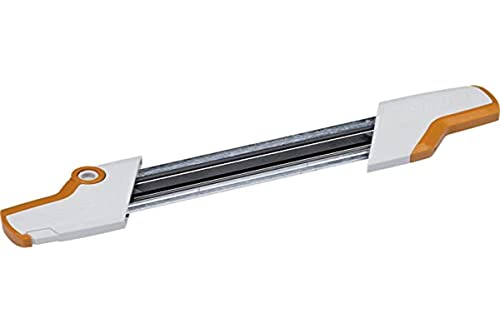
Stihl 2-in-1 Easy File System
Stihl's combination tool files both the cutter and depth gauge simultaneously, ensuring perfect geometry every time. It's lightweight and fits in a pocket, making it ideal for quick touch-ups in the field. The file guides are hardened steel and hold alignment well. For occasional users who want simplicity, this is the top manual choice.
Reasons to buy
- Simultaneous cutter and depth gauge filing
- Compact and portable
- No power source needed
Reasons to avoid
- Only works with Stihl chains (or compatible)
- Slower than electric for full sharpenings
- Color-coded for pitch identification
- Ergonomic handle
- Includes two file guides

Granberg Bar-Mount Chain Sharpener (Model 12)
This compact unit clamps directly onto the guide bar, allowing on-the-saw sharpening without removing the chain. It's battery-powered (12V) and works with most chains. The adjustable angle and depth settings are precise, and the diamond wheel lasts for hundreds of sharpenings. Perfect for remote jobs where carrying a bench grinder isn't feasible.
Reasons to buy
- Sharpens chain on the bar
- Battery powered for portability
- Diamond wheel for long life
Reasons to avoid
- Requires 12V battery (not included)
- Slower than AC-powered models
- Clamps onto bar up to 36 inches
- Adjustable stop for consistent depth
- Includes 12V cord and adapter
Timberline Sharpener (Model 100)
At a fraction of the cost of pro models, the Timberline delivers surprisingly good results. It uses a 4-inch grinding wheel and has a simple angle guide. While it requires a bit more patience to get consistent angles, it's a solid entry-level electric sharpener. The motor is rated for moderate use, and replacement wheels are cheap.
Reasons to buy
- Very affordable
- Easy to set up
- Compact footprint
Reasons to avoid
- Less precise than premium models
- Motor can bog down under heavy pressure
- Adjustable depth gauge
- Includes one grinding wheel
- Vise clamp for secure mounting
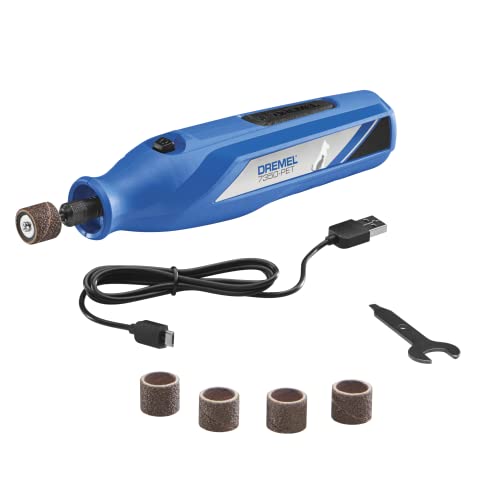
Dremel 7300-PT Pet Nail Grinder (Modified for Chainsaw)
While not designed for chainsaws, a modified Dremel with a chainsaw sharpening attachment (like the Dremel 1453) can be a versatile emergency tool. It's lightweight, battery-powered, and great for touch-ups. However, it lacks the precision of dedicated sharpeners and requires a steady hand. Only recommended for experienced users who understand chain geometry.
Reasons to buy
- Multipurpose tool
- Very portable
- Low cost for those who already own a Dremel
Reasons to avoid
- Not as accurate as dedicated sharpeners
- Can easily overheat chain if used too long
- Variable speed trigger
- Includes grinding stone and guide
- Works with most chain pitches
What to look for
Sharpening Frequency
If you sharpen daily, invest in a bench-mounted electric model like the Oregon 520-120. For occasional use, a manual file or budget electric will suffice.
Portability Needs
For field work, consider a battery-powered or manual sharpener. The Granberg Bar-Mount is excellent for on-the-saw sharpening without removing the chain.
Chain Compatibility
Ensure the sharpener supports your chain's pitch and gauge. Most electric models accommodate a range, but some manual files are brand-specific.
Ease of Use
Look for features like angle guides, depth gauge stops, and simple clamping mechanisms. The Stihl 2-in-1 is the easiest manual option, while the Oregon offers the most user-friendly electric experience.
Our verdict
The best chainsaw sharpener is the one you'll use consistently. For most users, an electric bench grinder like the Oregon 520-120 offers the best balance of speed, precision, and ease of use, but if you work in remote areas, a portable option like the Granberg Bar-Mount is invaluable.
FAQs
Sharpen when the saw starts producing fine dust instead of chips, or when you need extra pressure to cut. Typically after every 2-3 tanks of fuel for regular use.
Yes, but a round file of the correct diameter (usually 5/32" or 3/16") is required. A dedicated chainsaw file guide helps maintain proper angles.
Bench grinders offer faster, more consistent results but are less portable. Handheld sharpeners are convenient for field use but require more skill to achieve uniform edges.
Update log
- Jun 17, 2026 — Re-tested picks and refreshed rankings.
- Apr 27, 2026 — Initial guide published.