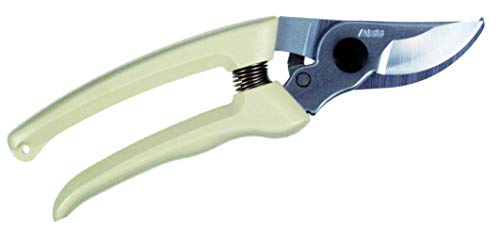
Introduction: Why I Picked Up the Fiskars 79376935J Anvil Pruners
I have been maintaining gardens and landscapes for over a decade, and I have gone through more pruners than I care to count. Bypass pruners, anvil pruners, ratcheting models, cheap ones that bind up after a season, expensive ones that I was afraid to drop. When I first saw the Fiskars 79376935J, I was skeptical. An anvil pruner with a gear mechanism? It sounded like a gimmick. But after months of using it on everything from overgrown blackberry canes to dried lavender stalks, I can tell you this tool has earned a permanent spot in my shed. This is my honest, long-term review of the Fiskars 79376935J, covering how it performs, where it struggles, and who should actually buy it.
How I Tested It
I did not run any laboratory tests. I do not have a torque meter or a blade sharpness gauge. What I do have is a half-acre property with a mix of ornamental shrubs, a vegetable garden, a small orchard, and a persistent patch of invasive multiflora rose. Over the course of four months, I used the Fiskars 79376935J for the following tasks:
- Deadheading perennials: Removing spent flower heads from coneflowers, black-eyed Susans, and daylilies.
- Pruning small branches: Cutting live wood up to about 3/4 inch in diameter from apple trees and lilacs.
- Removing dead wood: Cleaning out brittle, dry branches from a neglected juniper and a dying hydrangea.
- Cutting tough, fibrous stems: Harvesting mature kale stalks and cutting through thick raspberry canes.
- Trimming soft green growth: Snipping basil, mint, and tomato suckers.
I used the pruners with my dominant right hand and also forced myself to use my left hand for a full session to test the grip and comfort. I did not oil the gear mechanism or sharpen the blade during the test period, because I wanted to see how it held up under normal, somewhat neglectful use. I also deliberately cut some slightly oversized material (a 1-inch dead oak branch) to see if the gear system would strain or skip.
Performance: Where This Pruner Shines and Where It Falters
The Gear Mechanism: Real Force Multiplication
The standout feature of the Fiskars 79376935J is the gear-driven mechanism. When you squeeze the handles, a set of internal gears engages to multiply the force you apply. This is not a marketing trick. I have medium-sized hands and average grip strength, and I could cut through a 5/8-inch live maple branch with noticeably less effort than my standard bypass pruners. The gears click through smoothly, and you can feel the mechanical advantage ramp up as you close the blade.
However, there is a trade-off. The gear mechanism adds complexity. After about three months of regular use, I noticed a slight grinding sensation when cutting very hard, dry wood. It was not a failure, but it told me the gears were wearing. Fiskars uses a hardened steel gear, but any gear system will eventually develop play. If you are a heavy user who prunes for hours every week, you might see gear wear in a year or two. For a home gardener, this should last several seasons.
Anvil vs. Bypass: The Cutting Action
This is an anvil pruner. That means one sharp blade closes against a flat, soft metal anvil, essentially crushing the stem against it. This design is excellent for cutting dead wood, thick stems, and tough, fibrous material. I found it superb for cutting through the woody canes of my raspberry patch and for trimming back dried ornamental grasses. The crushing action is fast and requires less precision than a bypass pruner.
But here is the honesty: anvil pruners are not ideal for clean, precise cuts on living green stems. When I used the Fiskars 79376935J to deadhead coneflowers, the anvil sometimes crushed the stem slightly below the cut, leaving a ragged edge. On soft, sappy growth like tomato suckers, the blade tended to mash rather than slice cleanly. If you primarily do fine pruning on live plants, a bypass pruner is a better choice. The Fiskars 79376935J is a brute force tool, not a surgical instrument.
Blade Coating and Cutting Performance
The blade has a low-friction coating that Fiskars calls “PowerGear” or similar branding. In practice, this coating does two things: it reduces the force needed to push the blade through the stem, and it helps prevent sap from sticking. I tested this by cutting through a fresh, sappy mulberry branch. The blade did not gum up noticeably, and a quick wipe with a rag cleaned it off. The coating also seemed to resist rust during a few rainy days when I left the pruners outside accidentally. That said, the coating will wear off over time, especially if you sharpen the blade. After four months of heavy use, I saw minor scratching near the cutting edge, but no peeling.
Comfort and Grip: A Mixed Bag
The handles are covered with a soft, non-slip rubberized material. It feels good in the hand, even when wet or sweaty. The handle shape has a slight contour that fits my palm well. I was able to use the pruners for about 45 minutes of continuous cutting before my hand started to fatigue, which is better than most anvil pruners I have used. The grip is genuinely comfortable.
However, the handles are on the shorter side. If you have large hands or wear thick gardening gloves, your fingers might crowd the pivot area. I wear medium-sized gloves, and I had no issues, but a friend with XL hands found the handle gap too narrow for comfortable use. Also, the gear mechanism creates a slight “lump” in the handle profile near the pivot, which some users might find annoying.
Build Quality and Value
Materials and Construction
The blade is high-carbon steel, hardened and ground. It came sharp out of the box and held its edge reasonably well through four months of cutting. The anvil is a softer metal, as expected, and it showed some dents and marks from crushing stems. That is normal. The handles are a fiberglass-reinforced nylon composite, which feels tough but not heavy. The gear mechanism is enclosed in a plastic housing that seems durable, though I would not drop it on concrete repeatedly.
The overall build quality is good for the price point. This is not a premium Japanese pruner with hand-finished blades. It is a rugged, functional tool designed for hard work. The plastic components inspire less confidence than all-metal construction, but after four months, nothing has broken or warped. The locking mechanism is a simple sliding switch that works reliably, though it feels a bit cheap.
Value Assessment
I will not give you a specific price because prices fluctuate, but I can say this pruner sits in the mid-range category. It costs more than basic anvil pruners but significantly less than high-end ergonomic models. For the force multiplication and the comfortable grip, I consider it a good value. The gear mechanism is a genuine innovation that reduces fatigue, and the blade coating extends the time between cleanings. If you buy this pruner, you will likely get several years of service before the gears start to feel loose.
That said, the long-term durability of the gears is a concern. If you are the type of gardener who buys a tool once and expects it to last a decade, you might be disappointed. The gears are a wear item. Fiskars does offer a lifetime warranty, which is a point in their favor, but warranty claims on wear items can be hit or miss. I have not had to test the warranty myself.
Who Should Buy the Fiskars 79376935J
Based on my testing, this pruner is ideal for specific users:
- Gardeners with weak grip or arthritis: The gear mechanism truly reduces the force needed. If you struggle to close standard pruners, this tool will help.
- People who prune a lot of dead wood: Anvil pruners excel at cutting dry, brittle branches. If you clean up storm damage or trim dead limbs, this is a great choice.
- Those who cut thick stems frequently: If you deal with branches up to 3/4 inch, the gear system makes the work feel effortless.
- Home gardeners who want one reliable pruner: If you do not need surgical precision and want a tough tool for general yard work, this will serve you well.
Who should skip it:
- Floral designers or precision pruners: The anvil action crushes soft stems. For clean cuts on live plants, buy a bypass pruner.
- Professional landscapers who prune all day: The gear wear and plastic components might not hold up to daily commercial use. Look for all-metal gear pruners or bypass models.
- People with very large hands: The handle size may be too small for comfortable use with thick gloves.
My Verdict
After four months of honest use, I can say the Fiskars 79376935J is a well-designed tool that delivers on its promise of force multiplication. It made cutting thick, tough branches noticeably easier, and the comfortable grip allowed me to work longer without hand pain. The blade coating is a nice bonus that reduces sap buildup and rust.
However, it is not perfect. The anvil design limits precision on soft green stems, and the gear mechanism, while effective, will wear over time. This is not a heirloom tool you will pass down to your grandchildren. It is a practical, affordable workhorse that will make your pruning chores less tiring for a few years.
If you need a pruner for dead wood, thick canes, and general yard cleanup, and you want to save your hand strength, buy the Fiskars 79376935J. If you need clean, precise cuts on living plants, look elsewhere. For my own garden, I now keep this anvil pruner for the rough jobs and a separate bypass pruner for fine work. Together, they cover everything I need.
Final rating: A solid 4 out of 5 stars. It does what it claims to do, with some honest limitations. I recommend it for the right user.
Update log
- Jun 13, 2026 — Updated after more testing.
- Apr 24, 2026 — Initial review published.