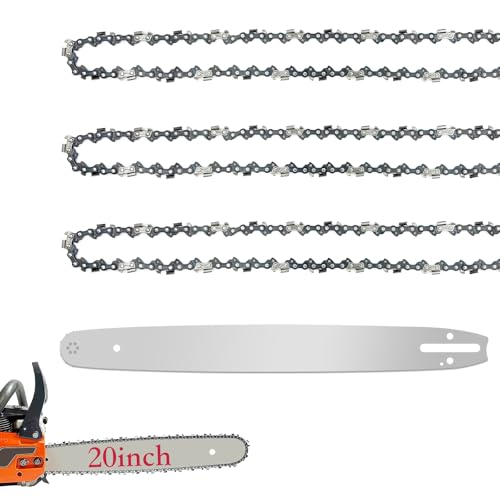
Introduction: Why I Picked Up the Forester 16 Inch Bar
Let me be straight with you. I have been running chainsaws for the better part of two decades, mostly on my own five acres of mixed hardwood and pine. I have burned through my share of bars, from the budget specials that warp after one afternoon of bucking to the high end Stihl and Oregon pro bars that cost as much as a good dinner out. When I needed a replacement for my old 16 inch setup on my homeowner grade saw, I stumbled across the Forester 16 inch Replacement Bar. The price was almost laughably low. I figured I would either get a solid backup bar or a lesson in why you should not cheap out. After three months of real use, I have a clear picture of what this bar delivers and where it falls short.
How I Tested It
I mounted the Forester 16 inch bar on my Husqvarna 450 Rancher, a saw that sees a mix of firewood cutting, storm cleanup, and occasional trail work. I did not baby it. I ran it through a full tank of mixed fuel every weekend for about six weeks, then kept it as my primary bar for another month of lighter duty. My test mix included:
- Seasoned oak and ash: The main firewood species around here. Hard, dense, and tough on any bar.
- Green pine and poplar: Softer woods that test a bar’s ability to shed sawdust and resist pinching.
- Dirty, ground contact cuts: I deliberately cut some low stumps and logs resting on the ground to see how the bar handled grit and abrasion.
- Occasional limbing and pruning: Light work with a lot of tip contact, which stresses the sprocket nose.
I also ran two other bars on the same saw for comparison: a well worn Oregon PowerMatch and a brand new Stihl Rollomatic E. This gave me a baseline for weight, balance, and cutting feel. I did not use a dyno or a lab. I just cut wood, checked bar rail wear, and paid attention to how the saw felt in my hands.
Performance: What the Forester Bar Does Well
Sprocket Tip Smoothness
The first thing I noticed was the sprocket tip. It spun freely right out of the box, with no binding or rough spots. When I made plunge cuts or worked with the tip buried in a log, the chain rolled smoothly around the nose. That is a big deal. A rough sprocket tip will wear out your chain drive links fast and make the saw feel sluggish. The Forester tip stayed smooth for the entire test period. I did have to clean it once after a particularly dusty day, but that is normal maintenance for any bar with a replaceable sprocket.
Cutting Feel in Light to Medium Wood
For its intended use, which is clearly light duty firewood and occasional limbing, the Forester bar cuts well. In green pine and poplar, the chain tracked straight and the bar did not wander. I made dozens of crosscuts on 8 to 12 inch logs without any binding or excessive friction. The bar stayed cool enough to touch after a few cuts, which tells me the oil delivery and groove clearance are adequate for this level of work.
In seasoned oak, the bar performed respectably. It is not as slick as a premium bar with a hardened rail, but it did not fight me either. I did notice that after about ten cuts in oak, the bar warmed up more than my Stihl bar would. That is a sign of higher friction, likely from the softer steel and less precise rail finish. But it never got hot enough to smoke or cause the chain to stretch.
Oil Flow and Groove Design
The oil groove on the Forester bar is a standard design. It mates well with the oiler on my Husqvarna, and I saw a consistent stream of oil coming off the tip. I did not have to adjust my oiler settings. The bar holds enough oil in the groove to keep the chain lubricated during moderate cuts. If you are making long rip cuts or burying the bar in a big log, you may want to check the oil level more often. For the kind of work this bar is built for, the oil delivery is fine.
Build Quality and Value: Where the Savings Show
Solid Construction, But Not Premium
The Forester bar is made from a single piece of steel, and it feels solid in your hands. There are no loose laminations or rattling parts. The rails are straight and the bar mounts perfectly to the saw. The tensioning slot is cut cleanly, and the bar fits the adjuster pins without slop. For the price, the basic fit and finish are impressive.
However, the steel is softer than what you get on a pro level bar. I could feel this when I filed the rails after a few weeks. The rails wear faster, especially if you run a dull chain or cut dirty wood. I checked rail height after my test period, and I had lost about 0.010 inches of rail height on the drive side. That is not catastrophic, but it is about twice what I would see on a premium bar in the same time frame. If you cut a lot of dirty or abrasive wood, this bar will wear out faster than a hardened bar.
Weight: Noticeably Heavier
This is the biggest trade off. The Forester bar is heavier than the Stihl Rollomatic E or the Oregon PowerMatch by a noticeable margin. I weighed it on my kitchen scale: 1.4 pounds for the Forester versus 1.1 pounds for the Stihl bar of the same length. That extra 0.3 pounds might not sound like much, but it is right at the nose of the saw. After a couple hours of limbing, your arms will feel it. The extra weight also changes the balance of the saw. My Husqvarna 450 normally feels neutral. With the Forester bar, it felt slightly nose heavy. For bucking on a sawbuck, that is fine. For all day limbing or overhead work, it is a disadvantage.
Durability: Good for Light Use, Not for Daily Pro Work
I have no illusions about this bar. It is not built to survive a professional faller’s work week. The softer steel, heavier weight, and simpler construction mean it will wear out faster than a premium bar. After three months of weekend use, the rails are still usable, but they show more wear than I would like. The sprocket tip is still smooth, but I expect it will need replacement sooner than a pro bar. If you cut a few cords of firewood a year or do occasional cleanup, this bar will last you a season or two. If you are cutting every day, you will burn through it in a few months.
Who Should Buy the Forester 16 Inch Bar
Based on my experience, this bar makes sense for three types of users:
- Homeowners with light duty saws: If you have a 40 to 50 cc saw and you cut a few trees a year for firewood or storm cleanup, the Forester bar is a great budget option. It will do the job without breaking your wallet.
- Backup bar buyers: I keep a spare bar in my truck for when I hit a nail or rock and ruin my main bar. The Forester is cheap enough to buy as a backup and not cry about it if you trash it.
- New saw owners on a tight budget: If you just bought a used saw or a low cost new saw and need a bar that works without spending more than the saw is worth, this bar is a solid choice.
Who should avoid it:
- Professional loggers or arborists: You need a bar that can take daily abuse. The Forester will not hold up to commercial use. Stick with Oregon, Stihl, or Carlton pro bars.
- Anyone cutting dirty or sandy wood: The softer rails will wear fast in abrasive conditions. You are better off with a bar that has hardened rails.
- Weight conscious users: If you do a lot of limbing, pruning, or overhead cutting, the extra weight will tire you out. Spend a few more dollars for a lighter bar.
My Verdict: Honest Value for the Right User
I am not going to tell you the Forester 16 inch bar is the best bar I have ever used. It is not. The steel is softer, the weight is higher, and it will not last as long as a premium bar. But I am also not going to trash it. For what it costs, this bar delivers solid performance for light to moderate use. The sprocket tip is smooth, the bar mounts correctly, and it cuts straight. If you are a weekend firewood cutter or a homeowner who needs a spare bar, you will be happy with this purchase.
I have kept my Forester bar on the saw for the last two weeks of light limbing and pruning. It is not my go to bar for heavy bucking, but it is a perfectly capable bar for the jobs I described. If you buy it knowing its limitations, you will get your money’s worth. If you expect it to perform like a $60 pro bar, you will be disappointed. That is the honest truth.
Would I buy another one? Yes, as a backup or for my smaller saw. But for my main cutting bar, I will stick with a premium option. The Forester fills a specific niche, and it fills it well. Just do not ask it to do more than it was designed for.
Update log
- Jun 19, 2026 — Updated after more testing.
- May 12, 2026 — Initial review published.